Eating with a purpose

True healthy eating involves eating with a purpose. What are you eating and why? The foods that you select should be carefully selected and should possess the nutrients needed to over come some health issues and promote overall good health.

Friday, September 5, 2014

Cranberry Juice Health Benefits


The health benefits of cranberry juice include relief from urinary tract infection, respiratory disorders, kidney stones, cancer, and heart disease. It is also beneficial in preventing stomach disorders and diabetes, as well as gum diseases caused by dental plaque. Phytonutrients, which are naturally derived plant compounds, are present in cranberries and have been found to prevent a wide range of health problems.

Cranberries are a versatile fruit and their benefits make them useful in food as well as in medicinal products. The Latin name for cranberry plant is Vaccinium macrocarpon and it is one of the native fruits of North America. Cranberries have a tremendous amount of antioxidant capacity as compared to other fruits and vegetables like broccoli, spinach, and apples. One cup of cranberries offers a total 8983 antioxidant capacity.


Nutritional Value of Cranberry Juice

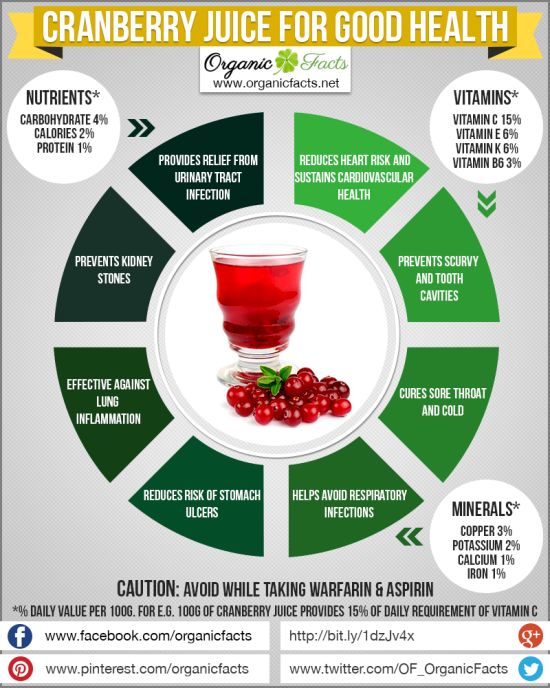
Cranberry juice is rich in antioxidants, vitamin C and salicylic acid. By containing only 45 calories per cup, cranberry juice fits very well within the dietary guidelines. Cranberry juice also contains 87.13 g water per 100 g. It also provides energy, protein and carbohydrates. In terms of minerals, it contains calcium, magnesium, iron, phosphorus, sodium, potassium and zinc. It also contains vitamins like thiamin, riboflavin, niacin, vitamin B-6, E (alpha tocopherol) and vitamin K (phylloquinone). Cranberries are members of the Ericaceae family, and is native to North America.


Health Benefits of Cranberry Juice

Cranberry juice has long been used for curing various illnesses. Some of the health benefits of cranberries include the following.

Urinary tract Infections (UTI): Urinary tract infections refer to the existence of certain micro-organisms in the urine that exceed normal levels. These infections can develop in the bladder and cause cystitis, in the kidney to cause renal parenchyma, or in the prostate resulting in bacterial prostatitis. Studies have shown that the cranberry juice contains proanthocyanidins that possess anti-clinging properties, which prevent the bacteria from binding itself to the cells on the walls of the bladder. These compounds prevent these bacteria from multiplying and further and flush them out of the body through urination.
 
Research shows that drinking cranberry juice regularly can help prevent recurring UTIs in middle-aged women and pregnant women. Regular intake of cranberry juice has also been proven beneficial for patients undergoing other treatments in the hospitals as a guard against the urinary tract diseases. However, cranberry juice is not effective in treating UTIs once you have the infection, and is only a preventative measure.


Antitumor Effects: The anti-tumor efficacy offered by cranberry juice is attributed to the presence of polyphenolic compounds within the fruit. Studies have suggested that regular consumption of cranberry juice inhibits the development and spread of lung, breast, colon, prostate and other cancerous tumors. Cranberry juice contains a high amount of salicylic acid which can help reduce swelling, prevent blood clots, and eliminate tumors.
 
Cardiovascular Health: Cranberry juice can help lower the risk of heart related ailments and assist in sustaining cardiovascular health. The flavonoids present in cranberries have antioxidant properties and may decrease the threat of atherosclerosis. Atherosclerosis is a disease in which the arteries are narrowed due to the build-up of fat, calcium, and cholesterol found in the blood. This obstructs the flow of oxygen-rich blood to the various parts of the body and may lead to potentially fatal outcomes like heart attacks and strokes. These compounds have been shown to delay and suppress the oxidation of low density lipoprotein (LDL) and beneficially stimulate the blood platelets.
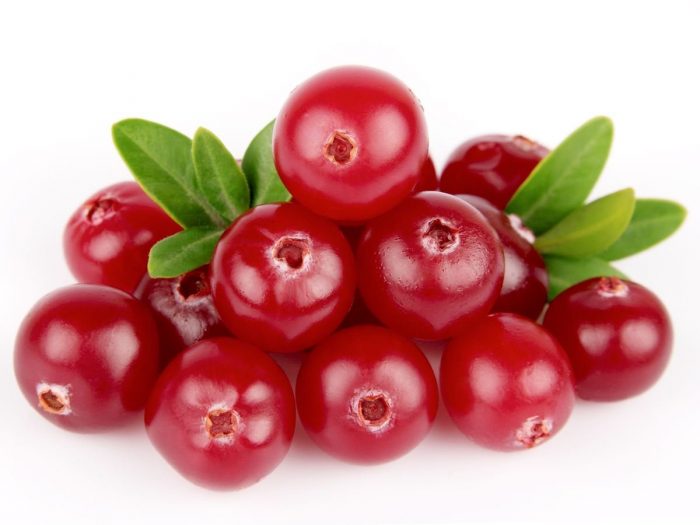
Cranberry

Prevents Tooth Decay: According to new research studies, cranberry juice prevents tooth cavities. Proanthocyanidine, a chemical compound present in cranberries, inhibits the harmful bacteria from clinging to the teeth. These components inhibit acid production and protect the teeth from periodontal disease by preventing the growth of plaque. Good oral hygiene, along with the consumption of cranberries, disrupts the pathogenic mechanism of dental caries and generally makes for good dental health. At the same time, one should watch out for the soaring sugar content and the acidity of some commercially available cranberry juices – natural juice is always better!

Avoid Respiratory Infections: According to conducted studies, cranberry juice helps to inhibit certain strains of the Haemophilus influenza, which is a common cause of ear and respiratory infections in children. The juice inhibits the bacteria’s hair-like structures, inhibiting them from adhering to the surface of the skin.

Prevents Cancer: Cranberry contains proanthocyanidins, which inhibit the growth of various cancer cells.  Studies have suggested that diets rich in flavonoids play a fundamental role in reducing the risk of cancer and cancer mortality. Cranberry juice contains anti-carcinogenic components that interfere with the growth of cancer cells, particularly those associated with colon and prostate cancer. According to studies, proanthocyanidins can stop micro-tumors from developing in the blood vessels. Regular consumption of cranberry juice prevents the rapid growth of tumors. Chemicals in cranberries also prevent the multiplication of breast cancer cells.

Strengthens Bones and Teeth: Although cranberry juice is a natural source of calcium, many juice companies add extra calcium to cranberry juice. Natural or otherwise, calcium reduces the risk of getting osteoporosis.

Cures Cold: Fresh cranberry juice is effective at fighting against infections. It cures sore throats and colds.

Good for Obesity: Cranberry juice is rich in organic acids, which have an emulsifying effect on the fat deposits in our body. So, it is good for people who want to shed those extra kilos.

Prevents Kidney Stones: The high amount of acid components in cranberry juice prevents kidney stone formation.

Peptic ulcers: Peptic ulcers are caused by a type of bacteria called Helicobacter pylori or H.pylori. This microorganism attacks the protective layer of the stomach and duodenum, which is the first part of intestine. This may lead to further inflammation of the stomach lining. Foods rich in flavonoids, a category that includes anthocyanins, flavonols and proanthocyanidins, like cranberries, apples and garlic helps reduce the risk of stomach disorders, including stomach ulcers, by inhibiting the growth of H. pylori bacteria. An investigative study performed on a group of patients having that type of stomach disorders showed a 50% advantage over patients that didn’t consume cranberry juice. Therefore, doctors commonly advise the regular intake of cranberry juice to suppress the infection.

Scurvy: Deficiency of vitamin-C in an individual can result in scurvy. Cranberries provide high levels of vitamin-C, which is also vital for the body to make collagen, the main component behind the healthy functioning of tissues.

Lung inflammation: The anti-inflammatory effects of cranberry juice have been proven to be effective against the inflammation caused in the lungs by the influenza virus. A substance called nondialyzable material or NDM present in the cranberries prevents the influenza virus from sticking to the cells and hence preventing a flu infection.
cranberryjuice

Anti-Aging Benefits: The USDA scientists at the human research center suggest that the wealth of phytonutrients and antioxidants present in cranberries play a vital role in providing protection against the problems that develop with age such as memory loss and lack of coordination. Cranberries have a multitude of therapeutic properties that protect the cells from the damage caused by unstable molecules called free radicals that contribute to aging, thereby making the skin look younger.

Foods: Cranberry fruit extract is used in making various sauces and cranberry juice cocktail. About one liter of juice can be extracted from 1500 grams of fresh cranberries. Cranberry juice cocktails are approximately 30% pure cranberry juice mixed with artificial sweetener or fructose. Dried cranberries can be enjoyed with breakfast cereals or can be added to muffins.

A Word of Caution
Cranberries and cranberry juice offer a variety of health benefits, barring the few exceptions listed below:

Warfarin (Coumadin): Warfarin is an anticoagulant drug that is used as a blood thinner, and it lowers the chances of blood clots occurring in the body. These blood clots can further result in serious conditions like cardiovascular disorders or clots in the legs, lungs, and other parts of the cardiovascular system. There are indications that people who take warfarin should be cautious regarding the intake of cranberry, as they are at a high risk of bleeding. Excess consumption of cranberry juice is not recommended for those people as it may affect the efficacy and safety of warfarin in the body. In such cases, it is always advisable to regularly get your blood tested in order to consume the correct dose of the medication.

Aspirin allergy: Cranberries contain substantial quantities of salicylic acid, which is also present in aspirin. People who need blood thinners and are prescribed aspirin should avoid consuming too much cranberry juice. Intake of cranberries should also be restricted if you are allergic to aspirin.

Kidney stones: Cranberry extracts contain a significant concentration of oxalate and calcium. This amplifies the chances of developing calcium-oxalate stones and uric acid stones in certain people. People who have kidney stones or have a history of kidney stones should consult a medical professional before consuming cranberry supplements or a large amount of cranberry juice. Studies have provided evidence that cranberry juice can raise the level of oxalate in the urine by up to 43%.
Cranberry extracts have been used to deodorize urine in some people who have complications in controlling urination, also known as urinary incontinence. The extracts can prevent the urinary catheters from blocking and speed up the curative process of the membrane around the stomach.

A Final Word on Cranberry Juice: Unsweetened cranberry juice tastes slightly sour, but for medicinal purposes, 2 ounces of cranberry juice diluted in 8 ounces of water is recommended. It is very good for your overall health. Finally, cranberry juice strengthens the immune system and helps to relieve stress. It works well for the skin conditions like acne and can be consumed dried, fresh or frozen.

Enjoy cranberries in any form you like, and also enjoy the wealth of health benefits you can get from this powerful little fruit!

Source:

https://www.organicfacts.net/health-benefits/fruit/health-benefits-of-cranberry-juice.html

Causes of Low Blood Pressure


 Blood pressure is a measurement of the pressure in your arteries during the active and resting phases of each heartbeat. Here's what the numbers mean:
  • Systolic pressure. The first (top) number in a blood pressure reading, this is the amount of pressure your heart generates when pumping blood through your arteries to the rest of your body.
  • Diastolic pressure. The second (bottom) number in a blood pressure reading, this refers to the amount of pressure in your arteries when your heart is at rest between beats.
Current guidelines identify normal blood pressure as lower than 120/80 mm Hg.
Although you can get an accurate blood pressure reading at any given time, blood pressure isn't always the same. It can vary considerably in a short amount of time — sometimes from one heartbeat to the next, depending on body position, breathing rhythm, stress level, physical condition, medications you take, what you eat and drink, and even time of day. Blood pressure is usually lowest at night and rises sharply on waking.

Blood pressure: How low can you go?

What's considered low blood pressure for you may be normal for someone else. Most doctors consider chronically low blood pressure too low only if it causes noticeable symptoms. Some experts define low blood pressure as readings lower than 90 mm Hg systolic or 60 mm Hg diastolic — you need to have only one number in the low range for your blood pressure to be considered lower than normal. In other words, if your systolic pressure is a perfect 115, but your diastolic pressure is 50, you're considered to have lower than normal pressure.

A sudden fall in blood pressure also can be dangerous. A change of just 20 mm Hg — a drop from 110 systolic to 90 mm Hg systolic, for example — can cause dizziness and fainting when the brain fails to receive an adequate supply of blood.
And big plunges, especially those caused by uncontrolled bleeding, severe infections or allergic reactions, can be life-threatening.

Athletes and people who exercise regularly tend to have lower blood pressure and a slower heart rate than do people who aren't as fit. So, in general, do nonsmokers and people who eat a healthy diet and maintain a normal weight.
But in some rare instances, low blood pressure can be a sign of serious, even life-threatening disorders.

Conditions that can cause low blood pressure

Some medical conditions can cause low blood pressure. These include:
  • Pregnancy. Because a woman's circulatory system expands rapidly during pregnancy, blood pressure is likely to drop. This is normal, and blood pressure usually returns to your pre-pregnancy level after you've given birth.
  • Heart problems. Some heart conditions that can lead to low blood pressure include extremely low heart rate (bradycardia), heart valve problems, heart attack and heart failure.
    These conditions may cause low blood pressure because they prevent your body from being able to circulate enough blood.
     
  • Endocrine problems. Thyroid conditions — such as parathyroid disease — adrenal insufficiency (Addison's disease), low blood sugar (hypoglycemia) and, in some cases, diabetes can trigger low blood pressure.
  • Dehydration. When you become dehydrated, your body loses more water than it takes in. Even mild dehydration can cause weakness, dizziness and fatigue. Fever, vomiting, severe diarrhea, overuse of diuretics and strenuous exercise can all lead to dehydration.

    Far more serious is hypovolemic shock, a life-threatening complication of dehydration. It occurs when low blood volume causes a sudden drop in blood pressure and a reduction in the amount of oxygen reaching your tissues. If untreated, severe hypovolemic shock can cause death within a few minutes or hours.

  • Blood loss. Losing a lot of blood from a major injury or internal bleeding reduces the amount of blood in your body, leading to a severe drop in blood pressure.
  • Severe infection (septicemia). Septicemia can happen when an infection in the body enters the bloodstream. This condition can lead to a life-threatening drop in blood pressure called septic shock.

  • Severe allergic reaction (anaphylaxis). Anaphylaxis is a severe and potentially life-threatening allergic reaction. Common triggers of anaphylaxis include foods, certain medications, insect venoms and latex. Anaphylaxis can cause breathing problems, hives, itching, a swollen throat and a drop in blood pressure. 
  • Lack of nutrients in your diet. A lack of the vitamins B-12 and folate can cause a condition in which your body doesn't produce enough red blood cells (anemia), causing low blood pressure.

Medications that can cause low blood pressure

Some medications you may take can also cause low blood pressure, including:
  • Diuretics (water pills), such as furosemide (Lasix) and hydrochlorothiazide (Microzide, Oretic)
  • Alpha blockers, such as prazosin (Minipress) and labetalol
  • Beta blockers, such as atenolol (Tenormin), propranolol (Inderal, Innopran XL, others) and timolol
  • Drugs for Parkinson's disease, such as pramipexole (Mirapex) or those containing levodopa
  • Certain types of antidepressants (tricyclic antidepressants), including doxepin (Silenor), imipramine (Tofranil), protriptyline (Vivactil) and trimipramine (Surmontil)
  • Sildenafil (Viagra) or tadalafil (Cialis), particularly in combination with the heart medication nitroglycerin

Types of low blood pressure

Doctors often break down low blood pressure (hypotension) into different categories, depending on the causes and other factors. Some types of low blood pressure include:
  • Low blood pressure on standing up (orthostatic, or postural, hypotension). This is a sudden drop in blood pressure when you stand up from a sitting position or if you stand up after lying down.

    Ordinarily, gravity causes blood to pool in your legs whenever you stand. Your body compensates for this by increasing your heart rate and constricting blood vessels, thereby ensuring that enough blood returns to your brain.
    But in people with orthostatic hypotension, this compensating mechanism fails and blood pressure falls, leading to symptoms of dizziness, lightheadedness, blurred vision and even fainting.

    Orthostatic hypotension can occur for a variety of reasons, including dehydration, prolonged bed rest, pregnancy, diabetes, heart problems, burns, excessive heat, large varicose veins and certain neurological disorders.

    A number of medications also can cause orthostatic hypotension, particularly drugs used to treat high blood pressure — diuretics, beta blockers, calcium channel blockers and angiotensin-converting enzyme (ACE) inhibitors — as well as antidepressants and drugs used to treat Parkinson's disease and erectile dysfunction.

    Orthostatic hypotension is especially common in older adults, with as many as 20 percent of those older than age 65 experiencing orthostatic hypotension.
    But orthostatic hypotension can also affect young, otherwise healthy people who stand up suddenly after sitting with their legs crossed for long periods or after working for a time in a squatting position.

  • Low blood pressure after eating (postprandial hypotension). Postprandial hypotension is a sudden drop in blood pressure after eating. It affects mostly older adults.
    Just as gravity pulls blood to your feet when you stand, a large amount of blood flows to your digestive tract after you eat.

    Ordinarily, your body counteracts this by increasing your heart rate and constricting certain blood vessels to help maintain normal blood pressure. But in some people these mechanisms fail, leading to dizziness, faintness and falls.
    Postprandial hypotension is more likely to affect people with high blood pressure or autonomic nervous system disorders such as Parkinson's disease.
    Lowering the dose of blood pressure drugs and eating small, low-carbohydrate meals may help reduce symptoms.

  • Low blood pressure from faulty brain signals (neurally mediated hypotension). This disorder causes blood pressure to drop after standing for long periods, leading to signs and symptoms such as dizziness, nausea and fainting.

    Neurally mediated hypotension mostly affects young people, and it seems to occur because of a miscommunication between the heart and the brain.

    When you stand for extended periods, your blood pressure falls as blood pools in your legs. Normally, your body then makes adjustments to normalize your blood pressure.
    But in people with neurally mediated hypotension, nerves in the heart's left ventricle actually signal the brain that blood pressure is too high, rather than too low.

    As a result, the brain lessens the heart rate, decreasing blood pressure even further. This causes more blood to pool in the legs and less blood to reach the brain, leading to lightheadedness and fainting.

  • Low blood pressure due to nervous system damage (multiple system atrophy with orthostatic hypotension). Also called Shy-Drager syndrome, this rare disorder causes progressive damage to the autonomic nervous system, which controls involuntary functions such as blood pressure, heart rate, breathing and digestion.

    Although this condition can be associated with muscle tremors, slowed movement, problems with coordination and speech, and incontinence, its main characteristic is severe orthostatic hypotension in combination with very high blood pressure when lying down.

    Source:

    http://www.mayoclinic.org/diseases-conditions/low-blood-pressure/basics/causes/con-20032298

Sunday, August 24, 2014

The 7 Most Prescribed Drugs In The World And Their Natural Counterparts


 by: Dave Mihalovic

We don’t have to live in a medicated world, but we certainly choose to. The crux of the matter is that we refuse to proactively think about prevention because we reactively commit to treating the symptoms of underlying health problems. This is the allopathic model. We want the quick fix so we can continue our poor lifestyle and dietary habits. It doesn’t have to be this way, but it is. We can blame doctors, the medical institutions and healthcare systems all we want, but self-responsibility is our only recourse if we are ever to surface from this mess. 

There are no excuses–if you’re taking one of these drugs, consult with a Natural Health Practitioner this week about phasing out your medication and phasing in these powerful natural foods and remedies.

Of the over 4 billion prescriptions written every year, the United States and Canada make up more than 80% of the world’s prescription opioids (psychoactive medications). Between 1997 and 2012 prescription opioids increased in dosage by almost 500%. Pharmaceuticals and medical errors are now a leading cause of death. Painkillers are the leading cause of accidental death.

In the last 15 years of life, people are experiencing more pain for longer periods than at any point on our historical record. If you think life expectancy has increased to the benefit of mankind, you’re not looking at the numbers.
78% of U.S. prescriptions written in 2010 were for generic drugs (both unbranded and those still sold under a brand name). The most prescribed drugs aren’t always the best selling drugs, there’s a difference.

Prescriptions for pain, cholesterol reduction, high blood pressure, hypothyroidism, antacids, antipsychotics, diabetes and antibiotics make up 100% of the most prescribed drugs. Make a commitment to yourself right now and start incorporating some of these amazing foods into your diet with no consequence of side effects. When you accept this, you will get off prescription medications for good. Check out the top 7 most prescribed drugs and the best natural remedies to treat and prevent disease.

1. HYDROCODONE (Acetaminophen/Vicodin/Oxycontin)

Use: For Pain
Currently the single most prescribed drug in the world. More and more doctors are getting huge payouts from pharmaceutical companies to promote these hydrocodone, especially generic drugs. They make up more than 20% of the top prescribed medications.
Dr. Thomas Frieden, director of the Centers for Disease Control and Prevention (CDC), told Fox News that doctors are handing out narcotics like candy. Some doctors are giving patients prescriptions for narcotics for even minor injuries.

How it Works:
It is an orally psychoactive compound that works as a narcotic and analgesic. It is biotransformed by the liver into several metabolites. It is highly dependent on metabolism by the Cytochrome P450 pathway.


Consequences:
Respiratory depression; bradycardia; coma; seizures; cardiac arrest; liver damage; and death. Inherited genes such as the Cytochrome P450 affects metabolic pathways–some cannot process it at all, whereas a smaller percentage can get even more strength from it than usual.


Natural Foods:
Ginger, turmeric, berries, cayenne pepper, celery/celery seeds, cherries, dark green veggies, walnuts.
See: Natural Healing Remedies: 10 Foods That Fight Inflammation And Pain


2. STATINS (Generic versions of Lipitor/Zocor/Crestor)

Use: Reduction of LDL Cholesterol
Approximately 15% of the top prescribed medications are generic statins. A study published in January 2012 in the Archives of Internal Medicine linked statins to 48 percent increased risk for type-2 diabetes.

The are NO scientific studies ever documented which have proved through causation that lowering LDL cholesterol prevents disease. The obsessed culture of lowering cholesterol may actually be causing cancer.

How it Works:
Statins artificially lower cholesterol levels by inhibiting a critical enzyme HMG-CoA reductase, which plays a central role in the production of cholesterol in the liver.


Consequences:
Inflammation and pathological breakdown of muscle, acute kidney failure, diabetes, cancer, cardiovascular disease, interference with sex hormones and death.


Natural Foods:
Nuts, spinach, apples, turmeric, cranberries, tomatoes, green tea, fatty fish, beans, alfalfa herb, capsicum fruit, garlic, psyllium, fenugreek seeds, butcher’s broom, licorice root, hawthorn berry.
See:
- New Data Shows Lycopene Reduces Heart Disease Up To 26 Percent
- Two Apples a Day More Effective At Reducing Heart Disease Than Statin Medications
- Top 5 Foods and Herbs To Control Cholesterol
- World Renown Heart Surgeon Speaks Out On What Really Causes Heart Disease


3. LISINOPRIL (Prinivil/Zestril) AND NORVASC (Amlodipine)
Use: Reduction of High Blood Pressure
In combination, Lisinopril and Norvasc make up a whopping 23% of the top prescribed medications. This makes them the most prescribed generic medications (if combined) for cardiovascular disease and blood pressure. Individually, Lisinopril constitutes approximately 14% and Norvasc about 9%.

How it Works:
Lisinopril is typically used for the treatment of hypertension, congestive heart failure, and heart attacks. Norvasc is used for hypertension and angina. It accomplishes this by inhibiting the influx of calcium ions into vascular smooth muscle and cardiac muscle so it essentially interferes with the metabolism of calcium.


Consequences:
Cancer, blood disorders, development of breasts in men, impotence, depression, tachycardia, enlargement of gums, inflammation of the liver, elevated blood glucose, hepatitis, life threatening skin conditions.


Natural Foods:
Any foods high in vitamin C (chili peppers, guavas, bell peppers, thyme, parsley, dark leafy greens, broccoli), any foods high in magnesium (chocolate, green leafy vegetables, Brazil nuts, almonds, cashews, blackstrap molasses, pumpkin and squash seeds, pine nuts, and black walnuts) and any foods high in potassium (mushrooms, bananas, dark green leafy vegetables, sweet potatoes, oranges and dates). Coconut oil/water and CoQ10 are also very effective for lowering blood pressure.
See:
- Magnesium Reduces Blood Pressure Naturally Without Side Effects
- Low Salt Diets Do Not Decrease Blood Pressure, Period
- Vitamin C Supplements Reduce Blood Pressure Without Side Effects Associated With Medication
- Low Potassium Linked To High Blood Pressure


4. SYNTHROID (levothyroxine sodium)
Use: Hypothyroidism
A synthetic form of the thyroid hormone thyroxine, generic Synthroid makes up more than 11% of the top prescribed medications. It’s used to treat hypothyroidism. The related drug dextrothyroxine (D-thyroxine) was used in the past as a treatment for elevated cholesterol but was withdrawn due to cardiac side-effects.

How it Works:
It replaces the thyroid hormone which is naturally occurring in the thyroid gland essentially halting natural production.


Consequences:
Long-term suppression of thyroid stimulating hormone (TSH) causes cardiac side-effects and contributes to decreases in bone mineral density (high TSH levels are also well known to contributes to osteoporosis.) May also cause elevated blood glucose levels, heart failure, coma and adrenal insufficiency. TSH directly influences the whole process of iodine trapping and thyroid hormone production so use of synthroid directly affects how the body metabolizes iodine.


Natural Foods:
Any foods containing iodine such as seaweed, kelp, radish, parsley, fish, seafood, eggs, bananas, cranberries, strawberries, himalayan crystal salt. Also, copper, iron, selenium and zinc are essential in the production of thyroid hormones. Exercise a minimum of 20-30 minutes per day — enough to raise the heartbeat.
See:
- Seaweed Extracts Can Help You Lose Weight, Mostly Body Fat
- 8 Critical Nutrients Lacking In More Than 70 Percent of Diets
- The Number One Reason So Many Women Have Trouble Losing Weight


5. PRILOSEC (omeprazole/generic versions of nexium)
Use: Antacid
A proton pump inhibitor which constitutes just over 8% of the top prescribed medications. Omeprazole is one of the most widely prescribed drugs for reflux disease (GORD/GERD/LPR) and ulcers internationally and is available over the counter in some countries.

How it Works:
It suppresses gastric acid secretion by specific inhibition of the gastric acid ions in cells. The absorption of omeprazole takes place in the small intestine essentially turning off the switch which promotes healthy digestion of foods. Omeprazole is also completely metabolized by the cytochrome P450 system.


Consequences:
Angina, ulcers, tachycardia, bradycardia, palpitations, elevated blood pressure, development of male breasts, inflammation of the pancreas, irritable colon, mucosal atrophy of the tongue, liver disease/failure, elevated blood sugar, muscle weakness, skin conditions, tinnitus, inflammation of the eyes, urinary frequency, testicular pain, anemia and blood cell disorders.


Natural Foods:
Grapefruits, probiotics, broccoli sprouts, manuka honey, mastic gum, marshmallow tea, glutamine, slippery elm, deglycyrrhized liquorice (DGL), aloe vera juice, baking soda, pickle juice.
See:
- Grapefruit Heals Stomach Ulcers
- Broccoli Sprouts May Prevent Gastritis, Ulcers and Stomach Cancers
- Manuka Honey Reverses Antibiotic Resistance, Treats Disease


6. AZITHROMYCIN AND AMOXICILLIN
Use: Antibiotic
In combination, azithromycin and amoxicillin contribute towards a mind-blowing 17% of the top prescribed medications. Then we wonder why we have antibiotic resistance. On their own, each contributes about 8.5%. Azithromycin is one of the world’s best-selling antibiotics and derived from erythromycin. Amoxicillin is usually the drug of choice for children.

How it Works:
Inhibits the synthesis of bacterial cell walls and interfering with their protein synthesis. These drugs also inhibit the protein synthesis of good bacteria needed for immunity and proper digestion.


Consequences:
Inflammation of the liver, inflammation and destruction of the stomach lining, destruction of healthy bacterial populations, inflammation of the colon, allergic reactions, obesity, human antibiotic resistance.


Natural Foods:
Sunlight (vit D), garlic, coconut oil, turmeric, foods high in nicotinamide (vit B3) such as salmon, sardines and nuts. Also manuka honey, olive leaf extract, green tea, pau D’Arco, rose water, myrrh, grapeseed extract, golden seal, oregon grapes, oregano oil, andrographis paniculata, and probiotics.
See:
- Garlic Proven 100 Times More Effective Than Antibiotics, Working In A Fraction of The Time
- Before Antibiotics Ever Existed, Sunlight Was Used To Treat Diseases With Great Success
- The Most Potent B Vitamin That Combats Infections Better Than Antibiotics Ever Could


7. GLUCOPHAGE (metformin)
Use: Oral anti-diabetic drug
Glucophage drugs round up the top 7 but the prescription rate of this drug is rapidly increasing. It makes up about 7% of the top prescribed medications. It is the first-line drug of choice for the treatment of type 2 diabetes, in particular, in overweight and obese people. It also acts to indirectly lower LDL cholesterol and triglyceride levels.

How it Works:
By suppressing natural glucose production by the liver, the drug activates an enzyme which plays an important role in insulin signaling, whole body energy balance, and the metabolism of glucose and fats.


Consequences:
Lactic acidosis, impaired liver/kidney function, decreasing thyroid stimulating hormone and testosterone, increased homocysteine levels, malabsorption of vitamin B12, B12 deficiency, bladder cancer, heart failure. The biggest consequence of diabetes drugs is that it causes pancreatic function to substantially decrease inhibiting several hormones and causing other imbalances which are never correctable without abstaining from the drug.


Natural Foods:
Black tea, Sunlight (vit D), potentially coffee (more research needed), turmeric, nuts, chia seeds, green leafy vegetables, apple cider vinegar, cinnamon, red grapes, steel cut oatmeal, broccoli, spinach, green beans and strawberries. 90% of all cases of diabetes can be resolved by eating foods with a low glycemic load, and pursuing both weight training and aerobic exercise.
See:
- Study on Black Tea Consumption From 42 Countries Shows It Lowers Diabetes Risk
- Two More Bombshells For Vitamin D: It Prevents Both Type I Diabetes and Cavities
- Coffee’s Anti-Diabetes Benefit
- Healthy Diet, Moderate Exercise Reduce Diabetes Risk Better Than Drugs
- How Turmeric Has An Anti-Diabetic Effect On The Body

The drugs on which we spend the most money are those that are still new enough to be protected against generic competition. That’s why drugs like Abilify and Seroquel (antipsychotics), as well as Plavix (blood thinner) and Advair Diskus (asthma inhaler) don’t make the list.

Sources:
drugwatch.com
guardian.co.uk
mercola.com
webmd.com
wikipedia.org

Dave Mihalovic is a Naturopathic Doctor who specializes in vaccine research, cancer prevention and a natural approach to treatment.

**Please note there are some medications that are medically necessary and without them, the individual would die. With that in mind, the information above is for the general population with moderate conditions that are not life and death.

Friday, August 22, 2014

L-Glutamine Guide: Uses and Benefits

Amino Boost XXL

Amino acids serve as an important part of our chemistry. Every part of us is constructed of cells which require protein to work correctly and to reproduce. Amino acids promote protein growth and help break it down to form different proteins. Specific groups or chains of amino acids work as units that perform various functions. We naturally produce certain non-essential amino acids, while others called essential, must come from our diets or supplements. Although Glutamine generally lands on the list of non-essential amino acids, some people refer to it as conditionally essential. That’s because although we do produce it, there are times when supplementation is beneficial because our activities use it up before we can manufacture more.

For example bodybuilders or other intense athletes tend to use all their L-glutamine stores when they work out. Although our bodies normally make it as we need it, extreme muscle use depletes the reserve before it has a chance to catch up. Also, it helps the body metabolize or absorb the protein, and bodybuilders burn a lot of protein. Much of it resides in skeletal muscles, which experience extreme stress during training. It also helps protect the immune system. Because of the high demand put on the body and depletion of amino acid and protein reserves during strength training and other major forms of exercise, athletes put themselves in jeopardy of infection on a daily basis. A protein powder or other delivery method containing L-Glutamine can dramatically help them avoid getting sick.

To give you an idea of its importance, Glutamine constitutes somewhere in the neighborhood of 50% to 60% of amino acids in muscle tissue. It also lives in the brain, liver, blood, and lungs.


Different Forms

As with most protein and amino acid supplements, L-Glutamine comes as a powder with various degrees of granularity, capsule, tablet, or liquid. It’s most commonly used in capsule or powder form. It’s easiest to swallow a pill, but if you want the extra nutrition that juice provides you can just stir in some L-Glutamine powder. Whichever form you choose, look for a pure product with no additives. Not only is it better for you, but it will dissolve easily.


Who Should Use It

Bodybuilders
Bodybuilders often exist in a sort of “Catch 22″ world. They spend hours working to grow lean, strong, big muscles but in the process they also partially destroy them. They constantly go through the anabolic (building up) and catabolic (breaking down) stages. These men and women and others that continually strain their muscles through exercising and working out greatly benefit from protein powders containing L-Glutamine (or other forms of it). Since muscle isn’t the only tissue that needs this amino acid, strenuous exercise causes muscles to take it from other areas.
Some studies show that heavy training depletes the glutamine levels of athletes by up to 50%. Unless it’s replaced, this puts not only their muscle tissue in jeopardy, but also can compromise their immune systems and tax other organs. Bodybuilders are especially prone to various infections because they’re so hard on their bodies.
L-Glutamine also promotes growth hormone levels, so important to those working to get big. Additionally, it helps muscle cells to retain water which in turn increases their size. Since it also helps preserve muscles during the catabolic state, taking L-Glutamine supplement improves the quality of the workout by cutting down on fatigue.
All Athletes
A number of studies have been done using all sorts of athletes, such as regular runners, marathon participants, rowers, cyclers, and others. Results show that L-Glutamine reduces occurrences of illness and the effects of overtraining, both conditions frequently experienced by those participating in extreme exercise.
Digestion
More studies on amino acids and proteins, as well as general nutrition and supplementation, are taking place now than at any other time in history. It’s true that in the US we have a serious obesity problem, even among children, but many are beginning to realize how important health is and how easily eating poorly and not exercising cause it to deteriorate.

L-Glutamine makes up as much as 60% of our amino acids so it’s pretty obvious how important it is. One important discovery shows that it brings many benefits to our gastrointestinal tract. For example it helps prevent “leaky gut” a condition in which the intestinal lining is unusually porous, allowing toxic substances into our bodies instead of being eliminated. Researchers now believe that much of the glutamine we make and ingest works in the intestinesOemore so than the other aminos and therefore it’s responsible for digestive health. Additionally many believe that it helps level out the alkaline acid balances and thus diminishes lactic acid, which causes distress to a lot of people.

To add insult to injury, we live in a fast-paced, stressful age. We’re always on the go so we eat junk food or skip meals. We also smoke, drink coffee, and use too much alcohol. All of these negatively contribute to overall digestive health. We’re not saying you should stick with these habits if you have them and just take supplement. The point is we aren’t always aware of what we’re doing to ourselves on a daily basis. We need to tune into how we treat ourselves and improve our mental and emotional health by learning to relax and slow down; and help our physical health by eating right and using protein and amino acid supplements.
Surgery
Surgery patients, especially those undergoing abdominal operations tend to recover more quickly and comfortably when taking L-Glutamine supplements. In fact some hospitals, especially in Europe, give L-Glutamine to all trauma patients.
Brain Function
L-Glutamine becomes glutamic acid in the brain a substance we all need to enhance our mental abilities. It also helps control nitrogen levelsOetoo much creates ammonia toxicity. When glutamine bonds with the nitrogen it makes glutamic acid that allows the body to excrete it.
Immunity
We mentioned the fact that bodybuilders and other athletes tend towards infections such as colds, flu, sore throat, and other ailments. This happens because exercise causes the depletion of glutamine levels in the blood, leaving tissues and organs ripe for illness because they can’t work the way they should. Additionally, as the globe shrinks, we are continually exposed to new strains of flu’s and infections. Supplementing with L-Glutamine can help us stay healthy in spite of this.
Elderly
L-Glutamine helps prevent painful muscle cramping in the legs. In addition to benefiting athletes, it’s also useful to all of us as we age. As our natural stores of amino acids deplete and muscles and bones dry out and become brittle, we become more prone to this condition.
Others
Actually there are numerous conditions and uses for L-Glutamine that various studies highlight. Some of them are more conditions relating to digestion such as irritable bowel syndrome, Crohn’s disease, ulcers, as well as HIV/ AIDS and other autoimmune deficiencies, stress, exhaustion, severe burns, alcohol abuseOein short anything that severely stresses any part of the body.

We’re made up of many different systems and organs and each depends on the whole body maintaining good health. When something goes wrong in one area, the rest of this complex system is compromised. The traumatized portion pulls energy from the healthy places and pretty soon the entire body suffers.

That’s why L-Glutamine and other amino acids as well as protein powders and supplements do so much good. They not only help when there’s distress, they also prevent severe catabolism and other effects of heavy training. Additionally they help promote general good health even during rest or low activity.
Disclaimer: These uses are suggestions resulting from various studies. They are not to be considered medical advice. If you experience symptoms related to these conditions or wish to improve any functions, don’t do so without consulting a healthcare professional.


Foods

L-Glutamine constitutes one of the most popular supplements, but it also exists in certain high protein foods such as fish, poultry, red meat, beans, and dairy products. We do need to be aware though that many of our food sources are polluted by pesticides, hormones, antibiotics, and other substances harmful to our health. Using an L-Glutamine protein powder or other form of the supplement can help restore our natural balance.


Side Effects

L-Glutamine causes no side effects if used correctly. It’s natural to our bodies so it’s easily absorbed. However, overdoing anything can cause problems. Be sure to look for a quality product without sugars and other fillers and follow the advice on the label.
Also anyone thinking about using supplementation should discuss it with their trainer, coach, nutritionist, doctor, or other healthcare professional. This is especially wise if you have any health conditions or problems or take medication.
Most in-the-know recommend taking L-Glutamine following your workout to help repair those stressed out muscles, although it certainly helps build muscle. Again we recommend talking with nutritional experts, as well as others who use this supplement.

Background on Glutamine

A conditionally essential amino acid, glutamine is made from glutamic acid, another amino acid, by the action of the enzyme glutamine synthetase. The majority of glutamine is stored in skeletal muscle tissue, with the remainder in the lungs, liver, brain, and stomach. A healthy, unstressed body is highly efficient at synthesizing all the glutamine it needs.

Glutamine fulfills many roles in the human body, including facilitating nitrogen metabolism, fueling the cells that line the intestine, supporting protein synthesis, and serving as a critical substrate for the cellular immune response. The speculated health benefits of glutamine supplementation are vast. Glutamine may enhance immune function in individuals who are critically ill and immune suppressed, prevent infection in postsurgical patients, and support the integrity of the gut mucosa in the face of intestinal damage. Supplemental glutamine may speed healing of skin conditions such as severe burns or pressure ulcers due to its role in the inflammatory response, cell proliferation, and collagen formation.

Reasons for Supplementation

In the presence of critical illness and catabolic stress, the body’s glutamine consumption exceeds the normal supply. Glutamine is rapidly released from muscle stores to provide fuel to the absorptive cells lining the intestine (enterocytes and coloncytes) and to proliferating immune cells as well as to maintain the acid-base balance in the kidneys.1 Plasma glutamine levels may decrease by 58% during critical illness and remain depleted for up to three weeks.1 Glutamine depletion has been associated with increased risk of infectious complications, organ failure, and death.2

During this critical period, glutamine becomes an “essential” amino acid that must be obtained from dietary sources (eg, beef, chicken, fish, eggs, beans, dairy products), oral glutamine supplements, or glutamine-enriched enteral and parenteral nutrition. While little harm has been reported from glutamine, supplementation may be contraindicated in the presence of certain drug therapies and medical conditions (eg, in liver disease when the conversion of glutamine to glutamate and ammonia may worsen hepatic encephalopathy). Enteral glutamine supplements, typically in the form of L-glutamine, are available individually in powder, tablet, capsule, and liquid forms and are often added to protein supplements.3 Doses of up to 1,500 mg/day are considered safe for adults aged 18 and older, but healthcare professionals have provided higher doses for therapeutic purposes.3

Studies have shown that the route of administration plays a role in the effectiveness of supplementation. High-dose parenteral administration of glutamine (greater than 0.5 g/kg/day through an IV) has demonstrated better outcomes in hospitalized patients than lower doses given enterally.2 Historically, glutamine was not added to commercial parenteral nutrition solutions due to instability. The development of stable dipeptide glutamine analogues overcame this barrier.

Carolyn Banner, RD, LDN, CNSD, of the University of Chicago Medical Center, has experience with the supplemental use of glutamine for patients with burns and complex wounds, such as Stevens-Johnson syndrome, toxic epidermal necrolysis syndrome, and other necrotizing soft tissue infections. “The primary reason I use glutamine is as a complementary therapy, intended to optimize a patient’s gut health by replacing depleted levels of glutamine and fueling the enterocytes, thereby enhancing a patient’s chance of optimal healing and immune function,” explains Banner, who typically recommends supplementing 0.25 to 0.5 g/kg/day of enteral L-glutamine for adult patients with burns or complex wounds generally with greater than 20% total body surface area.

Looking beyond the role of glutamine in treating severe burns and wounds, Banner is enthusiastic about its other potential benefits, adding, “I’d be excited to see glutamine used in septic and post-op patients due to newer research on glutamine’s role in heat shock proteins.”
Do physicians support Banner’s recommendations to supplement glutamine in this population? From Banner’s perspective, they do: “The burn and critical care physicians at our institution are enthusiastically on board with providing glutamine to burn and ‘burn equivalent’ patients.”

New Research

In the past year alone, the amount of published research addressing glutamine supplementation has been significant. Some studies have provided further support for previously reported benefits while others have uncovered new findings. A team of Brazilian researchers recently published findings from an experimental study review intended to precisely assess the action of glutamine in patients who were critically ill.2 They identified multiple mechanisms by which glutamine may protect cells, tissues, and whole organisms from stress and injury. Those mechanisms include attenuation of nuclear factor-kappa B activation (a protein complex that controls DNA transcription and is involved in the cellular response to stress), the balancing of proinflammatory and anti-inflammatory cytokines that mediate the immune response, a reduced accumulation of destructive neutrophils, improvement in gastrointestinal integrity, and enhanced expression of heat shock proteins, which are essential to cellular survival under stressful conditions.2

In the May 2010 online issue of the Journal of Critical Care, Cetinbas and colleagues reported that glutamine-supplemented parenteral nutrition suppressed inflammation in patients with systemic inflammatory response syndrome, as evidenced by reduced leukocyte and natural killer cell count. In the June 2010 issue of the journal Nutrition, Mondello and colleagues reported that glutamine-supplemented parenteral nutrition increased the lymphocyte count in anorectic patients, suggesting that the amino acid stimulated the immune response and enhanced overall immune function.

As the primary fuel for the cells lining the small intestine and colon, glutamine in supplemental form may significantly enhance gastrointestinal integrity in vulnerable populations. An experimental study on mice, published in 2010 in the Journal of Parenteral and Enteral Nutrition, found that when subjecting the mice to intestinal damage, the provision of enteral glutamine decreased intestinal permeability and preserved the integrity of gut mucosa compared with those that did not receive glutamine. Along similar lines, a study published in the January 2010 issue of the American Journal of Surgery reported the effects of glutamine-enriched early enteral nutrition on intestinal mucosal barrier injury following liver transplantation in rats.

Posttransplantation, the intestinal mucosa of the rats was seriously damaged at 12, 24, and 48 hours and subsequent changes to the intestinal mucosa were observed. In this study, glutamine-enriched early enteral nutrition was found to provide strong protection against intestinal mucosal barrier injury after liver transplant.
Among the most serious side effects of total parenteral nutrition is liver damage, with infants being the most vulnerable population due to their physiological immaturity. Adult and animal studies have shown that parenteral glutamine supplementation may have a hepatoprotective effect, a theory supported by a recent study published in the June 2010 issue of Clinical Nutrition. Researchers analyzed 30 parenteral nutrition-dependent infants of very low birth weight (defined as weighing less than 1,500 g) and analyzed hepatic function of a glutamine-supplemented group to a control group. 

The results showed that serum levels of aspartate aminotransferase and total bilirubin—both of which become elevated in the presence of liver damage—were decreased in the infants given parenteral glutamine compared with the control group. Providing support for the positive impact of glutamine-enriched enteral nutrition in the critically ill, a review of randomized controlled trials conducted since 1976 was published in October 2009 in the Chinese Journal of Burns. Of the seven trials that met criteria for inclusion, the researchers concluded that providing glutamine-enriched enteral nutrition to patients who were critically ill lowered nosocomial infection rate and reduced length of hospital stay. They cautioned that further studies with larger samples are needed to better assess the cost-effectiveness and efficiency of glutamine-enriched enteral nutrition for lowering mortality rate in the critically ill.

A meta-analysis of randomized controlled trials by Wang and colleagues, published in 2010 in the Journal of Parenteral and Enteral Nutrition, sought to evaluate the effects of glutamine dipeptide-supplemented parenteral nutrition on surgical patients. They observed a reduction in length of hospital stay by four to five days and a significant decrease in infectious complications.

A study by Alonso and colleagues in 2010 in the Spanish journal Nutrición Hospitalaria attempted to find evidence that glutamine-supplemented parenteral nutrition reduced the need for antibiotics, reduced the risk of liver disease, and decreased the length of hospital stay in 68 bone marrow transplant patients requiring parenteral nutrition due to oral mucositis. Unlike in the previously described studies, these researchers observed no apparent benefit to supplemental glutamine in relation to these three variables.

Implications for Clinical Practice

Should clinicians routinely consider glutamine supplementation for relevant patient populations as identified in the literature? Given the significant potential benefits of supplemental glutamine and the expanding body of evidence, this critically important amino acid certainly warrants nutrition professionals’ attention. Parenteral glutamine is often considered costly and difficult to produce, yet the potential health benefits of supplementation—and savings to a hospital—may outweigh the perceived cost. The European Society for Clinical Nutrition and Metabolism (ESPEN) has indicated that “over the last 10 years an extensive evidence base for safety and beneficial clinical outcome has been built, such that its [glutamine’s] parenteral use can now be considered a standard of care.”4 Also according to ESPEN, no studies to date have shown IV glutamine (l-glutamine or dipeptide) to have harmful effects in the critically ill, and doses of 10 to 30 g of glutamine over 24 hours are safely tolerated and adequate to restore plasma glutamine levels.4

Banner concedes that she cannot easily pinpoint a specific outcome that she’s observed from glutamine supplementation, given that cause and effect from nutrition therapy can be difficult to isolate. Nonetheless, clinicians should be aware of and educated about the potential benefits and feel empowered to recommend a glutamine supplement when appropriate. Banner concludes, “It makes good clinical sense that if there is an understood deficiency of glutamine levels after acute periods of stress, then we should replete this vital amino acid to provide our patients with the best opportunity for survival and healing.”
— Megan Tempest, RD, LDN, works at Presbyterian/St. Luke's Medical Center in Denver and is a freelance writer.

References
1. Wischmeyer PE. Clinical applications of L-glutamine: Past, present, and future. Nutr Clin Prac. 2003;18(5):377-385.
2. Oliveira GP, Dias CM, Pelosi P, Rocco PR. Understanding the mechanisms of glutamine action in critically ill patients. An Acad Bras Ciênc. 2010;82(2):417-430.
3. University of Maryland Medical Center. Glutamine. Last reviewed June 20, 2009. Available at: http://www.umm.edu/altmed/articles/glutamine-000307.htm
4. Singer P, Berger MM, Van den Berghe G, et al. ESPEN guidelines on parenteral nutrition: Intensive care. Clin Nutr. 2009;28:387-400.


Source:

http://www.n101.com/info/l-glutamine-guide-uses-and-benefits/

http://www.todaysdietitian.com/newarchives/011211p40.shtml


Health Benefits of Baobab Fruit Powder (A Superfood Packed with Vitamin C)


In Africa, the baobab fruit has been used medicinally for centuries to treat everything from fevers, malaria and gastrointestinal problems to vitamin C deficiency. In countries like the US and UK, however, this somewhat tangy fruit with a citrusy flavor has remained largely unknown – until recently. As more scientific research on the remarkable nutritional value and health benefits of the baobab fruit emerges, people across the world are beginning to show interest in products made from this up-and-coming superfood (pure baobab fruit powder made from the dried fruit and baobab seeds are just a few examples of baobab products that can now be found in health food stores in the UK and the US).

Most of the potential health benefits of baobab fruit powder and its fresh counterpart have been largely attributed to the unusually high levels of vitamin C this exotic superfood contains. A 100-gram serving of baobab fruit pulp has been reported to contain up to 500 milligrams of vitamin C – that's nearly 10 times the amount of vitamin C found in an equivalent serving of fresh oranges. In fact, the baobab fruit is considered one of the very best food sources of vitamin C in the world, with only a handful of foods – including kakadu plums, camu camu, acerola, and rosehips – beating this super fruit in terms of vitamin C content.

1. Baobab Fruit's Benefits for the Skin

Baobab Fruit Powder - 5 Health Benefits

Foods rich in vitamin C are a cornerstone of the anti-wrinkle diet. Vitamin C, whether derived from foods or dietary supplements, helps your body form collagen and elastin, two structural proteins that give your skin support and elasticity. In addition to being a natural source of vitamin C, the baobab fruit has been shown to possess strong antioxidant properties, which may further boost the benefits of this super fruit for the skin. As you may already know, antioxidants neutralize free radicals, unstable atoms and molecules that can cause damage to your body at the cellular level, increasing the risk of degenerative diseases and other signs of aging, including wrinkles and fine lines on the skin. Here's an overview of the antioxidant capacity of the pulps of some common fruits, expressed as Integral Antioxidant Capacity (IAC), to give you an idea of the incredible antioxidant potential of the baobab fruit:
  • Baobab: 11.11
  • Kiwifruit: 0.34
  • Orange: 0.10
  • Strawberry: 0.91
  • Apple: 0.16


2. Vitamin C and Glycemic Control to Support Your Weight Loss Efforts

Adding vitamin C rich foods such as baobab fruit powder (or fresh baobab fruits if you can get them) to your diet might also enhance your body's fat burning capabilities during a workout – especially if your current diet does not contain enough vitamin C. A team of scientists from Arizona State University discovered that people with low blood concentrations of vitamin C burned 25 percent less fat during a 60-minute walk on a treadmill, compared with those who had adequate levels of vitamin C in their blood. The potential weight loss effects of vitamin C may be linked to the fact that it is needed for the production of carnitine, a compound that encourages your body to turn fat into fuel, rather than to store it as body fat.

What's more, the baobab fruit may also help overweight or obese people reduce weight due to its effects on starch digestion and glycemic response. A study published in the November 2013 edition of the journal Nutrition Research found that baking baobab extract into white bread at 1.88% concentration significantly reduced rapidly digestible starch from the tested white bread samples. The baobab fruit extract was also found to significantly reduce the glycemic response in the study participants, both when consumed at a low-dose (18.5 g) and at a high-dose (37 g) in 250 milliliters of water along with white bread. Meals that trigger a low glycemic response (also called low Glycemic Index, or GI, meals) promote weight loss by reducing appetite and cravings, and by keeping the fat-storing hormone insulin under control.

3. Baobab – A Preventive Treatment for Heart Disease and Varicose Veins?

Foods that supply your body with plenty of vitamin C may also help keep your heart and overall cardiovascular system healthy. A study from University of California found that study participants who took a vitamin C supplement (providing 500 milligrams of vitamin C) daily for two months experienced a 24 percent drop in their plasma C-reactive protein levels. New research suggests that C-reactive protein levels, or CRP levels for short, are an excellent measure of a person's heart disease risk, potentially even better than cholesterol levels.

Varicose veins and venous insufficiency are further examples of cardiovascular problems that may sometimes be alleviated by adding vitamin C rich foods, such as baobab fruit powder, into the diet. Vitamin C is needed for the manufacturing of collagen and elastin, connective tissues that help keep veins strong and toned, plus it can help boost circulation within the body. Therefore, it is not surprising that low levels of vitamin C have been associated with varicose veins. The positive effects of vitamin C on veins are believed to be stronger when vitamin C is consumed together with vitamin E, so next time you blend yourself a smoothie featuring baobab pulp powder, be sure to add a healthy source of vitamin E (such as ground walnut, another great superfood) to the mix as well.

4. Baobab Fruit – A Natural Liver Cleanser and Detoxifier?

If your liver is not healthy, it will not efficiently do one of its most important jobs – detoxifying toxic substances, including metabolic wastes, and excreting them from your body. A high exposure to toxins such as cigarette smoke, chemicals, alcohol and many other substances can cause damage to the liver and limit its detoxifying capabilities, but luckily there are also many foods and supplements that can get your liver back on track.

In one study, researchers tested the hepatoprotective activity against liver injury in rats (the term hepatoprotective is used in medical circles to refer to substances that are capable of preventing damage to the liver). The water-based baobab extract used in this study was found to have significant protective effects against liver damage. It has been proposed that the potential hepatoprotective properties of the baobab fruit may be linked to the presence of triterpenoids, beta-sitosterol, beta-amyrin palmitate and ursolic acid in baobab pulp.


5. Powerhouse of Minerals

If you're still not impressed by the health benefits of the baobab fruit, consider this: using fresh baobab pulp in cooking or adding concentrated baobab fruit powder to your favorite dishes can also supply your body with a slew of beneficial minerals including calcium, copper, iron, magnesium, potassium and zinc. Minerals act both individually and synergistically to perform hundreds of tasks in the human body. The following Nutrition Facts table shows the approximate concentrations of the most important minerals found in 100 grams (3.5 oz) of fresh baobab pulp:
  • Calcium: 295 mg (or 30% of the Daily Value)
  • Copper: 1.6 mg (or 80% of the Daily Value)
  • Iron: 9.3 mg (or 52% of the Daily Value
  • Magnesium: 90 mg (or 23% of the Daily Value)
  • Potassium: 1240 mg (or 35% of the Daily Value)
  • Sodium: 27.9 (or 1% of the Daily Value)
  • Zinc: 1.8 mg (or 12% of the Daily Value)

Baobab and Diabetes

Baobab is a whole food source of natural medicine that is known to treat blood sugar problems thus making it ideal for diabetics and hypoglycemic people.  The super fruit is known for its positive health benefits. Depending on medicine can lead to more medicine which can lead to more problems.  Whole food diets can boost your health and stabilize blood sugar.  Natural whole food supplements like Baobab Fruit Powder are a healthy way to maintain healthy blood sugar levels and boost your body’s ability to fight off disease.  Not only does Baobab Fruit Powder help to stabilize blood sugar, it has been proven to stop the absorption of carbohydrates into the blood stream which makes it an excellent friend to all dieters and those trying to lose weight.  (Data located on medgov.com search Baobab)

While the fruit powder alone is not known to cause weight loss, there have been reports of instant weight loss results from those who begin adding Baobab fruit powder to their meal plans.  The amount of weight loss once consuming the Baobab fruit powder has been reported to be greater and quicker than those attempting to lose weight without adding the fruit to their diet.  Whole foods rich in Vitamin C and Fiber are known to assist in oxidative stress reduction which ultimately leads to greater odds of beating fatal illness such as cancer.  Whole foods rich in Vitamin C and Fiber are also known to reduce internal inflammation which can result in less arthritic pain, digestive disorders, and multiple pathologies.

                                                                           Source:

 http://www.healwithfood.org/health-benefits/baobab-fruit-powder-superfood.php#ixzz3B9uLQ126

http://www.nevaehsown.com/blog/baobab-fruit-powder-for-diabetes-and-hypoglycemia

Wednesday, August 6, 2014


10 Black Walnut Hull Benefits for Better Health


Antifungal black walnuts

Black walnuts are a surprising superfood with many health benefits. They have been used traditionally by Native Americans, Chinese, Indian and Russian cultures for centuries for a wide variety of ailments.
Modern science and research is only just starting to uncover some of the unique nutritional elements in these potent nuts that make them so effective for so many different conditions.
Here are 10 different ways that eating black walnuts or using black walnut hulls may help treat different diseases and benefit your health in general.


Uses and benefits of Black Walnut Hull

  • It's one of nature's most powerful antiparasitics.
  • It will kill microorganisms (bacterium, fungi, yeasts, etc.) to larger parasites including all worms and flukes.
  • It is a cellular proliferator (strengthens cells).
  • It increases the oxygenation of blood cells.
  • It is a detoxifier used to balance sugar levels and disperse fatty materials.
  • Black Walnut Hull is excellent for any condition and weakness of the body.
  • Promotes healing of all tissues and is said to help restore tooth enamel.
  • Strengthens and stimulates the immune system.
  • Promotes lymph movement and bowel peristalsis.
  • Strengthens the bones (high in calcium).


10 Health Benefits of Black Walnuts


1. Parasites

Black walnuts, and in particular black walnut hulls that are harvested green, are a well known vermifuge and are considered a premier treatment for pinworms, tapeworms, hookworms and other intestinal parasites.
Much more on how to use black walnut hulls for parasites here, along with two other effect anti-parasitic herbs to use in conjunction with it.


2. Candida

Like intestinal worms, candida overgrowth is another common, yet rarely diagnosed and debilitating health problem affecting many people.

Most people have some of the candida albicans yeast in their digestive systems and other areas of the body. Problems start though when intestinal conditions deteriorate with a diet high in simple sugars, drinking chlorinated water, prolonged stress and especially antibiotic use.

Intestinal candidiasis is an overgrowth of the candida fungus, which can actually weaken the walls of your intestines and release toxins into your bloodstream. This plays havoc with your immune system and can manifest in a whole range of baffling symptoms which can be very difficult for your doctor to diagnose.
Unfortunately, the common prescription of more antibiotics will often make things much worse. What is needed is a significant change of diet and a treatment plan, followed by effective probiotics to help normalize the intestinal environment and bring the overgrowth under control.

Studies on compounds found in black walnut extract have shown it to be as effective against candida as commercial antifungal treatments like selenium sulfide and zinc undecylenate.
It is believed that the naphthoquinone juglone, high levels of astringent tannins and other compounds in black walnut treatments change the intestinal environment to make it unfavorable for the candida albicans fungus and other harmful parasites.


3. Antifungal

Black walnut candida treatment

These same antifungal properties make black walnut hull tincture a popular treatment for athlete’s foot, ringworm, jock itch and other fungal infections of the skin.
To treat these fungal skin conditions the black walnut tincture can be applied externally to the affected areas and is often reported in online forums to be more effective for those who try them than pharmaceutical preparations.

Always patch test any preparations like this on the skin of your inner arm for several hours before using them to test for allergic reaction.


4. Skin Conditions

Black walnut benefits may include helping to treat many other skin conditions and problems like acne, eczema and psoriasis.

For acne, the tincture is taken both internally and sometimes apply diluted externally as a skin treatment. If applying it to your skin, it would once again be best to test it first for your own sensitivity.
To do this, mix a few drops in warm water and dab a small area in an inconspicuous part of your face with a cotton ball and leave it for an hour or two to see if you have any reaction.
While there are reports online of success with using black walnut extract internally for eczema and psoriasis, the tinctures extracted in alcohol could be too harsh for these skin conditions.

It may be gentler and more effective to mix a small amount of black walnut hull powder with these avocado oil treatments for psoriasis and eczema. Especially with these conditions, make sure you patch test well first, perhaps even overnight, before using them on potentially sensitive areas. 

5. Warts, Cold Sores and Herpes


Warts are growths on the skin caused by a viral infection. Black walnut hull extract is often reported to make warts shrivel up and die.

It is applied directly to the wart daily and covered with tape. This may take several weeks but many people find their warts starts shrinking and eventually die and fall off with this treatment.

There have also been cases discussed in online forums of multiple warts shrinking and disappearing after regularly taking these black walnut powder capsules. The suggested dosage was 2500 mg of capsules for breakfast and again with dinner.

Cold sores are also treated and their healing speeded up with black walnut hull tincture by painting them with a cotton wool bud several times a day. Due to the high natural iodine content, this would be visible so may be best done on a day off or before bed.

Herpes simplex type 2 is a more virulent outbreak of the HSV virus around the genitals. While the tincture or powder made into a paste may help speed up the healing of herpes blisters, it is reported that regularly taking black walnut as a supplement can greatly reduce the frequency of outbreaks.


6. Stop Sweating

In one of the more unusual benefits of black walnut, it is known to help reduce excessive sweating. The high levels of astringent tannins contained in the hulls are believed to have an effect on overactive sweat glands and decrease the amount of sweat they produce.


7. Digestive Benefits

Black walnuts skin problems

Alongside its powerful anti-parasitic and anti-fungal properties for your gastrointestinal tract, black walnut has other beneficial effects on your digestive system.
Black walnut hull is said to tone and heal inflamed intestinal tissue, as well as improving the environment of the digestive tract for more effective assimilation and elimination.
It is for this reason that black walnut is unusually considered a treatment for both constipation and diarrhea.


8. Sore Throat Treatment

You can gargle with black walnut extract diluted in water to treat a sore throat, tonsillitis and mouth sores. Once again, the astringent tannins and naturally antiseptic iodine provide the health benefits.


9. Cardiovascular and Diabetes Benefits of Black Walnuts

In a study entitled The Effects of Daily Black Walnut Consumption on Blood Lipid Levels, black walnuts were shown to reduce LDL cholesterol (the dangerous kind) for men by over 4%, even further than the more common English walnuts in the same study. The researchers also noted that no weight gain was associated with their consumption.
Black walnuts have a similar nutritional profile to English walnuts and the same diabetes and cardiovascular benefits for lowering high blood pressure and reducing blood sugar levels can be gained from eating them.


10. Anti-Cancer Black Walnuts

Health benefits of black walnuts

Numerous studies have found juglone, a cytotoxic compound found in walnuts, and most predominately in black walnuts, to have anticancer properties. Juglone has been demonstrated to lead to cancer cell death by both apoptosis and necrosis (Juglone, a naphthoquinone from walnut, exerts cytotoxic and genotoxic effects…).

As usual, the cancer industry seems uninterested in natural treatments that can’t be patented and real human studies are unlikely. While it’s not the place of a website like this to give advice on life-threatening diseases like cancer, I’d personally thoroughly researched all the available options, including those that can’t be patented.

Black walnuts are also rich in powerful polyphenols, omega-3 fats and melatonin. All of which have properties that may help protect you from developing cancer.


Eating Black Walnuts

While English walnuts are a very healthy food that can be eaten in moderation every day, black walnuts appear to be a more high-powered version and are perhaps better viewed as a medicine to have occasionally, rather than a snack food to be eaten in great quantities.
Coming up is a recipe for black walnut pesto that is one of the more enjoyable ways to add this powerful medicinal and cleansing superfood into your diet.

I hope this page has provided an overview of the many health benefits of black walnuts, as well as shared some good options if you’d like to give them a try. I’d especially appreciate hearing about your experiences in using black walnuts for any health conditions or any other beneficial effects you’re aware of with eating them or using the concentrated extract or green hull capsules.
Next is a look at the most common reason why people use black walnuts – parasites and intestinal worms.

Sources:

http://superfoodprofiles.com/black-walnut-benefits-health

http://www.womens-health-club.com/herbs/black-walnut-hull.htm