Eating with a purpose

True healthy eating involves eating with a purpose. What are you eating and why? The foods that you select should be carefully selected and should possess the nutrients needed to over come some health issues and promote overall good health.

Friday, August 22, 2014

Health Benefits of Baobab Fruit Powder (A Superfood Packed with Vitamin C)


In Africa, the baobab fruit has been used medicinally for centuries to treat everything from fevers, malaria and gastrointestinal problems to vitamin C deficiency. In countries like the US and UK, however, this somewhat tangy fruit with a citrusy flavor has remained largely unknown – until recently. As more scientific research on the remarkable nutritional value and health benefits of the baobab fruit emerges, people across the world are beginning to show interest in products made from this up-and-coming superfood (pure baobab fruit powder made from the dried fruit and baobab seeds are just a few examples of baobab products that can now be found in health food stores in the UK and the US).

Most of the potential health benefits of baobab fruit powder and its fresh counterpart have been largely attributed to the unusually high levels of vitamin C this exotic superfood contains. A 100-gram serving of baobab fruit pulp has been reported to contain up to 500 milligrams of vitamin C – that's nearly 10 times the amount of vitamin C found in an equivalent serving of fresh oranges. In fact, the baobab fruit is considered one of the very best food sources of vitamin C in the world, with only a handful of foods – including kakadu plums, camu camu, acerola, and rosehips – beating this super fruit in terms of vitamin C content.

1. Baobab Fruit's Benefits for the Skin

Baobab Fruit Powder - 5 Health Benefits

Foods rich in vitamin C are a cornerstone of the anti-wrinkle diet. Vitamin C, whether derived from foods or dietary supplements, helps your body form collagen and elastin, two structural proteins that give your skin support and elasticity. In addition to being a natural source of vitamin C, the baobab fruit has been shown to possess strong antioxidant properties, which may further boost the benefits of this super fruit for the skin. As you may already know, antioxidants neutralize free radicals, unstable atoms and molecules that can cause damage to your body at the cellular level, increasing the risk of degenerative diseases and other signs of aging, including wrinkles and fine lines on the skin. Here's an overview of the antioxidant capacity of the pulps of some common fruits, expressed as Integral Antioxidant Capacity (IAC), to give you an idea of the incredible antioxidant potential of the baobab fruit:
  • Baobab: 11.11
  • Kiwifruit: 0.34
  • Orange: 0.10
  • Strawberry: 0.91
  • Apple: 0.16


2. Vitamin C and Glycemic Control to Support Your Weight Loss Efforts

Adding vitamin C rich foods such as baobab fruit powder (or fresh baobab fruits if you can get them) to your diet might also enhance your body's fat burning capabilities during a workout – especially if your current diet does not contain enough vitamin C. A team of scientists from Arizona State University discovered that people with low blood concentrations of vitamin C burned 25 percent less fat during a 60-minute walk on a treadmill, compared with those who had adequate levels of vitamin C in their blood. The potential weight loss effects of vitamin C may be linked to the fact that it is needed for the production of carnitine, a compound that encourages your body to turn fat into fuel, rather than to store it as body fat.

What's more, the baobab fruit may also help overweight or obese people reduce weight due to its effects on starch digestion and glycemic response. A study published in the November 2013 edition of the journal Nutrition Research found that baking baobab extract into white bread at 1.88% concentration significantly reduced rapidly digestible starch from the tested white bread samples. The baobab fruit extract was also found to significantly reduce the glycemic response in the study participants, both when consumed at a low-dose (18.5 g) and at a high-dose (37 g) in 250 milliliters of water along with white bread. Meals that trigger a low glycemic response (also called low Glycemic Index, or GI, meals) promote weight loss by reducing appetite and cravings, and by keeping the fat-storing hormone insulin under control.

3. Baobab – A Preventive Treatment for Heart Disease and Varicose Veins?

Foods that supply your body with plenty of vitamin C may also help keep your heart and overall cardiovascular system healthy. A study from University of California found that study participants who took a vitamin C supplement (providing 500 milligrams of vitamin C) daily for two months experienced a 24 percent drop in their plasma C-reactive protein levels. New research suggests that C-reactive protein levels, or CRP levels for short, are an excellent measure of a person's heart disease risk, potentially even better than cholesterol levels.

Varicose veins and venous insufficiency are further examples of cardiovascular problems that may sometimes be alleviated by adding vitamin C rich foods, such as baobab fruit powder, into the diet. Vitamin C is needed for the manufacturing of collagen and elastin, connective tissues that help keep veins strong and toned, plus it can help boost circulation within the body. Therefore, it is not surprising that low levels of vitamin C have been associated with varicose veins. The positive effects of vitamin C on veins are believed to be stronger when vitamin C is consumed together with vitamin E, so next time you blend yourself a smoothie featuring baobab pulp powder, be sure to add a healthy source of vitamin E (such as ground walnut, another great superfood) to the mix as well.

4. Baobab Fruit – A Natural Liver Cleanser and Detoxifier?

If your liver is not healthy, it will not efficiently do one of its most important jobs – detoxifying toxic substances, including metabolic wastes, and excreting them from your body. A high exposure to toxins such as cigarette smoke, chemicals, alcohol and many other substances can cause damage to the liver and limit its detoxifying capabilities, but luckily there are also many foods and supplements that can get your liver back on track.

In one study, researchers tested the hepatoprotective activity against liver injury in rats (the term hepatoprotective is used in medical circles to refer to substances that are capable of preventing damage to the liver). The water-based baobab extract used in this study was found to have significant protective effects against liver damage. It has been proposed that the potential hepatoprotective properties of the baobab fruit may be linked to the presence of triterpenoids, beta-sitosterol, beta-amyrin palmitate and ursolic acid in baobab pulp.


5. Powerhouse of Minerals

If you're still not impressed by the health benefits of the baobab fruit, consider this: using fresh baobab pulp in cooking or adding concentrated baobab fruit powder to your favorite dishes can also supply your body with a slew of beneficial minerals including calcium, copper, iron, magnesium, potassium and zinc. Minerals act both individually and synergistically to perform hundreds of tasks in the human body. The following Nutrition Facts table shows the approximate concentrations of the most important minerals found in 100 grams (3.5 oz) of fresh baobab pulp:
  • Calcium: 295 mg (or 30% of the Daily Value)
  • Copper: 1.6 mg (or 80% of the Daily Value)
  • Iron: 9.3 mg (or 52% of the Daily Value
  • Magnesium: 90 mg (or 23% of the Daily Value)
  • Potassium: 1240 mg (or 35% of the Daily Value)
  • Sodium: 27.9 (or 1% of the Daily Value)
  • Zinc: 1.8 mg (or 12% of the Daily Value)

Baobab and Diabetes

Baobab is a whole food source of natural medicine that is known to treat blood sugar problems thus making it ideal for diabetics and hypoglycemic people.  The super fruit is known for its positive health benefits. Depending on medicine can lead to more medicine which can lead to more problems.  Whole food diets can boost your health and stabilize blood sugar.  Natural whole food supplements like Baobab Fruit Powder are a healthy way to maintain healthy blood sugar levels and boost your body’s ability to fight off disease.  Not only does Baobab Fruit Powder help to stabilize blood sugar, it has been proven to stop the absorption of carbohydrates into the blood stream which makes it an excellent friend to all dieters and those trying to lose weight.  (Data located on medgov.com search Baobab)

While the fruit powder alone is not known to cause weight loss, there have been reports of instant weight loss results from those who begin adding Baobab fruit powder to their meal plans.  The amount of weight loss once consuming the Baobab fruit powder has been reported to be greater and quicker than those attempting to lose weight without adding the fruit to their diet.  Whole foods rich in Vitamin C and Fiber are known to assist in oxidative stress reduction which ultimately leads to greater odds of beating fatal illness such as cancer.  Whole foods rich in Vitamin C and Fiber are also known to reduce internal inflammation which can result in less arthritic pain, digestive disorders, and multiple pathologies.

                                                                           Source:

 http://www.healwithfood.org/health-benefits/baobab-fruit-powder-superfood.php#ixzz3B9uLQ126

http://www.nevaehsown.com/blog/baobab-fruit-powder-for-diabetes-and-hypoglycemia

Wednesday, August 6, 2014


10 Black Walnut Hull Benefits for Better Health


Antifungal black walnuts

Black walnuts are a surprising superfood with many health benefits. They have been used traditionally by Native Americans, Chinese, Indian and Russian cultures for centuries for a wide variety of ailments.
Modern science and research is only just starting to uncover some of the unique nutritional elements in these potent nuts that make them so effective for so many different conditions.
Here are 10 different ways that eating black walnuts or using black walnut hulls may help treat different diseases and benefit your health in general.


Uses and benefits of Black Walnut Hull

  • It's one of nature's most powerful antiparasitics.
  • It will kill microorganisms (bacterium, fungi, yeasts, etc.) to larger parasites including all worms and flukes.
  • It is a cellular proliferator (strengthens cells).
  • It increases the oxygenation of blood cells.
  • It is a detoxifier used to balance sugar levels and disperse fatty materials.
  • Black Walnut Hull is excellent for any condition and weakness of the body.
  • Promotes healing of all tissues and is said to help restore tooth enamel.
  • Strengthens and stimulates the immune system.
  • Promotes lymph movement and bowel peristalsis.
  • Strengthens the bones (high in calcium).


10 Health Benefits of Black Walnuts


1. Parasites

Black walnuts, and in particular black walnut hulls that are harvested green, are a well known vermifuge and are considered a premier treatment for pinworms, tapeworms, hookworms and other intestinal parasites.
Much more on how to use black walnut hulls for parasites here, along with two other effect anti-parasitic herbs to use in conjunction with it.


2. Candida

Like intestinal worms, candida overgrowth is another common, yet rarely diagnosed and debilitating health problem affecting many people.

Most people have some of the candida albicans yeast in their digestive systems and other areas of the body. Problems start though when intestinal conditions deteriorate with a diet high in simple sugars, drinking chlorinated water, prolonged stress and especially antibiotic use.

Intestinal candidiasis is an overgrowth of the candida fungus, which can actually weaken the walls of your intestines and release toxins into your bloodstream. This plays havoc with your immune system and can manifest in a whole range of baffling symptoms which can be very difficult for your doctor to diagnose.
Unfortunately, the common prescription of more antibiotics will often make things much worse. What is needed is a significant change of diet and a treatment plan, followed by effective probiotics to help normalize the intestinal environment and bring the overgrowth under control.

Studies on compounds found in black walnut extract have shown it to be as effective against candida as commercial antifungal treatments like selenium sulfide and zinc undecylenate.
It is believed that the naphthoquinone juglone, high levels of astringent tannins and other compounds in black walnut treatments change the intestinal environment to make it unfavorable for the candida albicans fungus and other harmful parasites.


3. Antifungal

Black walnut candida treatment

These same antifungal properties make black walnut hull tincture a popular treatment for athlete’s foot, ringworm, jock itch and other fungal infections of the skin.
To treat these fungal skin conditions the black walnut tincture can be applied externally to the affected areas and is often reported in online forums to be more effective for those who try them than pharmaceutical preparations.

Always patch test any preparations like this on the skin of your inner arm for several hours before using them to test for allergic reaction.


4. Skin Conditions

Black walnut benefits may include helping to treat many other skin conditions and problems like acne, eczema and psoriasis.

For acne, the tincture is taken both internally and sometimes apply diluted externally as a skin treatment. If applying it to your skin, it would once again be best to test it first for your own sensitivity.
To do this, mix a few drops in warm water and dab a small area in an inconspicuous part of your face with a cotton ball and leave it for an hour or two to see if you have any reaction.
While there are reports online of success with using black walnut extract internally for eczema and psoriasis, the tinctures extracted in alcohol could be too harsh for these skin conditions.

It may be gentler and more effective to mix a small amount of black walnut hull powder with these avocado oil treatments for psoriasis and eczema. Especially with these conditions, make sure you patch test well first, perhaps even overnight, before using them on potentially sensitive areas. 

5. Warts, Cold Sores and Herpes


Warts are growths on the skin caused by a viral infection. Black walnut hull extract is often reported to make warts shrivel up and die.

It is applied directly to the wart daily and covered with tape. This may take several weeks but many people find their warts starts shrinking and eventually die and fall off with this treatment.

There have also been cases discussed in online forums of multiple warts shrinking and disappearing after regularly taking these black walnut powder capsules. The suggested dosage was 2500 mg of capsules for breakfast and again with dinner.

Cold sores are also treated and their healing speeded up with black walnut hull tincture by painting them with a cotton wool bud several times a day. Due to the high natural iodine content, this would be visible so may be best done on a day off or before bed.

Herpes simplex type 2 is a more virulent outbreak of the HSV virus around the genitals. While the tincture or powder made into a paste may help speed up the healing of herpes blisters, it is reported that regularly taking black walnut as a supplement can greatly reduce the frequency of outbreaks.


6. Stop Sweating

In one of the more unusual benefits of black walnut, it is known to help reduce excessive sweating. The high levels of astringent tannins contained in the hulls are believed to have an effect on overactive sweat glands and decrease the amount of sweat they produce.


7. Digestive Benefits

Black walnuts skin problems

Alongside its powerful anti-parasitic and anti-fungal properties for your gastrointestinal tract, black walnut has other beneficial effects on your digestive system.
Black walnut hull is said to tone and heal inflamed intestinal tissue, as well as improving the environment of the digestive tract for more effective assimilation and elimination.
It is for this reason that black walnut is unusually considered a treatment for both constipation and diarrhea.


8. Sore Throat Treatment

You can gargle with black walnut extract diluted in water to treat a sore throat, tonsillitis and mouth sores. Once again, the astringent tannins and naturally antiseptic iodine provide the health benefits.


9. Cardiovascular and Diabetes Benefits of Black Walnuts

In a study entitled The Effects of Daily Black Walnut Consumption on Blood Lipid Levels, black walnuts were shown to reduce LDL cholesterol (the dangerous kind) for men by over 4%, even further than the more common English walnuts in the same study. The researchers also noted that no weight gain was associated with their consumption.
Black walnuts have a similar nutritional profile to English walnuts and the same diabetes and cardiovascular benefits for lowering high blood pressure and reducing blood sugar levels can be gained from eating them.


10. Anti-Cancer Black Walnuts

Health benefits of black walnuts

Numerous studies have found juglone, a cytotoxic compound found in walnuts, and most predominately in black walnuts, to have anticancer properties. Juglone has been demonstrated to lead to cancer cell death by both apoptosis and necrosis (Juglone, a naphthoquinone from walnut, exerts cytotoxic and genotoxic effects…).

As usual, the cancer industry seems uninterested in natural treatments that can’t be patented and real human studies are unlikely. While it’s not the place of a website like this to give advice on life-threatening diseases like cancer, I’d personally thoroughly researched all the available options, including those that can’t be patented.

Black walnuts are also rich in powerful polyphenols, omega-3 fats and melatonin. All of which have properties that may help protect you from developing cancer.


Eating Black Walnuts

While English walnuts are a very healthy food that can be eaten in moderation every day, black walnuts appear to be a more high-powered version and are perhaps better viewed as a medicine to have occasionally, rather than a snack food to be eaten in great quantities.
Coming up is a recipe for black walnut pesto that is one of the more enjoyable ways to add this powerful medicinal and cleansing superfood into your diet.

I hope this page has provided an overview of the many health benefits of black walnuts, as well as shared some good options if you’d like to give them a try. I’d especially appreciate hearing about your experiences in using black walnuts for any health conditions or any other beneficial effects you’re aware of with eating them or using the concentrated extract or green hull capsules.
Next is a look at the most common reason why people use black walnuts – parasites and intestinal worms.

Sources:

http://superfoodprofiles.com/black-walnut-benefits-health

http://www.womens-health-club.com/herbs/black-walnut-hull.htm

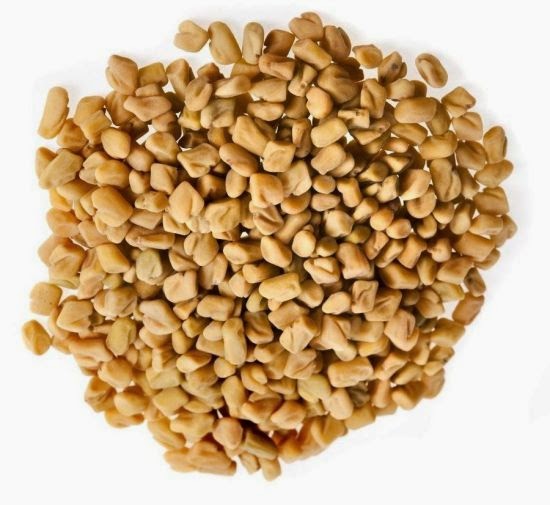
Fenugreek Health Benefits


Fenugreek (also known as Greek Hay and Fenigreek), is an herb that is commonly found growing in the Mediterranean region of the world. While the seeds and leaves are primarily used as a culinary spice, it is also used to treat a variety of health problems in Egypt, Greece, Italy, and South Asia.

Fenugreek seeds have been found to contain protein, vitamin C, niacin, potassium, and diosgenin (which is a compound that has properties similar to estrogen). Other active constituents in fenugreek are alkaloids, lysine and L-tryptophan, as well as steroidal saponins (diosgenin, yamogenin, tigogenin, and neotigogenin).


What are the Benefits of Fenugreek?

Due to its estrogen-like properties, fenugreek seeds have been found to help increase libido and lessen the effect of hot flashes and mood fluctuations that are common symptoms of menopause and PMS. In India and China it has also been used to treat arthritis, asthma, bronchitis, improve digestion, maintain a healthy metabolism, increase libido and male potency, cure skin problems (wounds, rashes and boils), treat sore throat, and cure acid reflux. Fenugreek also has a long history of use for the treatment of reproductive disorders, to induce labor, to treat hormonal disorders, to help with breast enlargement, and to reduce menstrual pain. Recent studies have shown that Fenugreek helps lower blood glucose and cholestrol levels, and may be an effective treatment for both type 1 and 2 diabetes. It is also being studied for its cardiovascular benefits.


Uses of Fenugreek

Relieves constipation
Fenugreek adds bulk to the stool due to its high fiber content. This also makes it helpful in treating constipation and diarrhea, while also relieving minor indigestion.

Good for Kidney Trouble
Traditional Chinese medicine recommends fenugreek for patients suffering from various kidney conditions.

Prevents Colon Cancer: Fenugreek possesses anti-carcinogenic potential. The steroid diosgenin in Fenugreek has been specifically linked to colon cancer prevention. Furthermore, the various non-starch polysaccharides like saponins, hemicellulose, mucilage, tannin, and pectin, lower cholesterol levels and inhibit bile salts from being reabsorbed by the colon. This can bind to the toxins and protect the colon’s mucus membrane, which can reduce colorectal cancer and other conditions that can negatively affect the colon.

Appetite Suppressant
The natural soluble fiber galactomannan can swell in the stomach and thus suppress appetite by making you feel full.


Home Remedy for Balancing Cholesterol

Studies have found people who took 2 ounces (56g) of fenugreek seed each day had significantly (around 14 percent) lower cholesterol levels after 24 weeks, and had lowered their risk of heart attack by more than 25 percent. Therefore, a recommended remedy for lowering cholesterol is to take 2 ounces of seeds throughout the day. The seeds can be sprinkled onto prepared food, or they can be consumed with water if they are in capsule form.


Treating Diabetes and Lowering Blood Sugar Levels

Studies have shown that participants with type 2 diabetes had significantly lower blood sugar levels after eating fenugreek seeds. Therefore, a recommended home remedy for treating Type 2 diabetes is to consume 500mg of fenugreek seed twice daily.


Herbal Cure for Skin Inflammation

Research has shown that Fenugreek is an effective topical treatment for skin problems such as abscesses, boils, burns, eczema, and gout. Therefore, a simple skin inflammation remedy is the following:
  • Take a spoonful of fenugreek seeds and grind them into a powder.
  • Mix the ground powder with warm water.
  • Take a simple piece of clean cloth and soak it into the mixture.
  • Apply the soaked cloth directly onto the affected skin as a poultice.


Natural Cure for Heartburn and Acid Reflux

Fenugreek seeds contain a lot of mucilage, which helps sooth gastrointestinal inflammation by coating the lining of the stomach and intestine. Therefore, for an effective remedy against heartburn or Acid Reflux, simply sprinkle 1 teaspoon of fenugreek seeds onto your food. Another option is to take one teaspoon of seeds and swallow them with water or juice before any meal.


Home Remedy for Fever

The Fenugreek herb has been known to help reduce fever when taken with lemon and honey, since it nourishes the body during an illness. Therefore, to treat a fever, simply consume one to two teaspoons of Fenugreek seeds three times a day along with an herbal tea (such as green tea) with a teaspoon of honey and lemon juice. Some health food stores also sell herbal Fenugreek teas, which can be used instead of the green tea.


Breast Enlargement

Fenugreek is often used in many teas and other products that help balance women's hormones and/or enlarge the breasts. Therefore, a simple home remedy for breast enlargement is to make Fenugreek a part of your regular diet. A common suggestion is to consume up to 3g of Fenugreek seed per day.


Remedy to Ease Child Birth for Pregnant Women

Fenugreek stimulates uterine contractions and can be helpful to induce childbirth. However, pregnant women should only use this remedy for inducing labor after consulting with their doctor.


Remedy to Aid Milk Production in Lactating Women

Fenugreek has been known to increase milk production in lactating women. Research has even shown that milk production can increase by over 500 percent within 24 to 72 hours after consuming this herb. Although it is not known why this happens, researchers speculate that the oil contained in fenugreek seeds plays a role. Therefore, a recommended remedy to increase milk flow is to consume one capsule of fenugreek seed (at least 500mg) three times a day.

Fenugreek Benefits for Men

Fenugreek is known to be an aphrodisiac. It has been found to increase the testosterone level in men. It is also anabolic and men who are looking to gain muscles can consume this herb. High testosterone level helps in maintaining day long energy. It can improve heart health and can maintain adequate weight of a person. It is also effective against hernia pains and erectile dysfunction.


Fenugreek Benefits for Women

Fenugreek is known to increase milk production in lactating women. Fenugreek is a source of iron and is beneficial for women during pregnancy. Fenugreek tea is advised for pregnant women as it reduces labour pain and enhances uterine contraction. Fenugreek contains a substance called diogenin which acts similar to estrogens. It helps in reducing menopause symptoms and reduces anxiety, dizziness and insomnia. Breast enlargement can be achieved by its consumption.

What are the Side Effects of Fenugreek?

While Fenugreek is generally considered to be safe when used moderately, there have been reports of a few minor side-effects. Nausea is one common side effect, while other people have reported gastrointestinal discomfort (diarrhea and/or gas). Also, when using this herb topically on the skin, it is important to watch out for skin irritations and rashes.

Fenugreek use during pregnancy is not recommended, since it has the potential to induce labor. If you are pregnant and wish to take it, you should do so only after consultation with your doctor.

If you are currently taking any oral medications, you should always use this herb at least 2 hours before or after these drugs. This is important since Fenugreek fiber has the potential to interfere with the absorption of oral medications due to its mucilaginous fiber (which gives it a moist and sticky texture). The only side effect seen in people taking high doses of fenugreek is mild gastrointestinal distress. Fenugreek is not recommended during pregnancy because it may lead to miscarriage due to its strong effect on the female reproductive system.

Where and How to Buy Fenugreek

Fenugreek is often available in capsules, seed, and powder form at many health food stores. The seeds can also often be found at Indian/Pakistani grocery stores. You may also be able to find packaged Fenugreek herbal tea bags.

Sources:

http://www.homeremediesweb.com/fenugreek_health_benefits.php

http://www.antioxidants-for-health-and-longevity.com/health-benefits-of-fenugreek.html

http://foodtofitness.com/health-benefits-of-fenugreek/

18 Amazing Benefits of Yam (not Sweet Potatoes) For Skin, Hair and Health


Yams are starchy tuber vegetables of West African origin. The yam vegetable has a lot of ritualism and symbolism associated with itself, especially in Africa, Asia and Latin America. Yam belongs botanically to the Dioscoreaceae family, in Dioscorea genus. They have been cultivated since 50,000 BC in Africa and Asia.  It is one of the most consumed foods in the world and is a staple food in South America, Africa, West Indies and the Pacific Islands.
Yam is available in around 200 different varieties with colors ranging from ivory, yellow to purple. The shape of this tuber is long and cylindrical with a rough exterior. The commercially important species of yam are White Yam, Yellow Yam, Chinese Yam, South East Asian and trifoliate yam.
 
The plant which bears yam is a perennial vine which grows up to 2 meters in length. Yams are quite similar to sweet potatoes but they are no way related it. The major differences between the two tubers are: yams are larger in size; they have thick, brown to pink skin, depending on the cultivar type, while sweet potatoes are relatively smaller in size and have a very thin peel.
Yam is grown throughout Africa, Nigeria being the largest producer and exporter of Yam. Nigeria provides around 70% of the world’s total Yam production.


Yam Nutrition Value:


Yam is a good source of energy and each 100 grams contain 118 calories. It is mainly composed of complex carbohydrates and soluble fiber. It is an excellent source of B complex vitamins like Vitamin B6, Vitamin B1, riboflavin, folic acid, pantothenic acid and niacin. It also contains a good amount of antioxidants and Vitamin C.  It provides around 20% of the required Vitamin C in the body per 100 grams. It also contains small amounts of Vitamin A and beta carotene levels. It is a rich source of minerals like copper, potassium, iron, magnesium, calcium and phosphorus. 100 grams of yam provides 816 mg of Potassium.


Yam Benefits:


1.Heals Skin Diseases & Cures Respiratory Problems:

Yam has been used as a traditional medicine in China, Korea and Japan since centuries. It contains allantoin, a cell proliferate that expedites the healing process when applied topically on ulcers, boils and other skin diseases. Its decoction is also known to stimulate and relieve bronchial irritation, cough and other respiratory problems.


2. Good Source of Vitamin B6:

Yam is a good source of Vitamin B6 which is needed by the body to break down a substance called homocysteine, which can damage blood vessels walls. High levels of homocysteine can also lead to heart attack despite having low levels of cholesterol. Thus, having a good supply of Vitamin B6 in the body is believed to reduce the risk of developing heart diseases. Potassium is an important component of cell and body fluids and controls heart rate and blood pressure by countering the hypertensive effects of sodium. Low intake of potassium-rich food can also lead to hypertension. Dioscorin, a storage protein found in yam is known to benefit people suffering from hypertension. Dioscorin inhabits aniotensin converting enzyme which therefore leads to increased kidney flow and reduced blood pressure.


3. Supports Female Endocrine System:

Yam is particularly useful for menopausal women.  It contains an enzyme that provides a natural alternative to hormonal replacement in women who have reached menopause.Wild yam is also known to support the female endocrine system. Its root has been traditionally used in conjunction with lactation. Vitamin B6 is an important supplement for Premenstrual Syndrome (PMS) in women, especially the depression that is triggered by it.

Artificial progesterone is also added to some wild yam as progesterone, androgens and cortisone were chemically manufactured from Mexican yarn in the 1960s. One cup of baked yam can provide you with 15.5% of the daily requirement of Vitamin B6.  It is antispasmodic which means that it is capable of relieving spasms including those in the intestines that are caused due to muscle cramps. Yam can also be used to cure nausea during pregnancy.

It is a good tonic for the female system as it helps to balance the hormones. Yam is an herb which can help to heal the bodily conditions from a holistic standpoint. It supports the body and stimulates it to heal.


4. Source of Antioxidants:

Yam contains healthy antioxidants which also have anti inflammatory properties. The beta carotene and Vitamin C in this tuber work well to get rid of cancer-friendly free radicals. Free radicals can damage the body in reaction with DNA, so the antioxidants work to reduce the damage caused by these free radicals. It is also an excellent food for those suffering from arthritis and asthma.


5. Low Glycemic Index Healthy Food:

Diabetics can eat yam without worrying about the rise in blood sugar level. Glycemic index of a food reflects the food’s effects on a person’s blood glucose level. Fast glucose absorption is not desirable, so yam raises the blood sugar level slowly as compared to simple sugars and is therefore highly recommended as a low glycemic index healthy food.


6. Aids Digestion & Improves Bowel Habits:

The dietary fibre present in Yam reduces constipation and decreases bad cholesterol. It contains good amount of potassium which aids in healthy digestion and stimulates smooth muscle contraction in the stomach for proper bowel habits.


7. Increases Nutrient Absorption of the Body:

Daily consumption of yam juice can increase nutrient absorption of the body. It also protects valuable enzymes needed by the body for healthier cells and maintains the good condition of the body. By drinking yam juice, all the vitamins and nutrients of it can be easily absorbed by the body in its liquid form.


8. Improves Cognitive Ability:

Yams also have the ability to increase learning and memory capacity in the human brain. According to a study, people who consumed yam for 6 weeks regularly noticed a significant increase in the cognitive abilities of the subject. This is mainly due to the antioxidant compound present in yams. It can also help to cure Alzheimer’s disease

9. Cancer Deterrent: 

Yam can also be viewed as a cancer deterrent especially of colon cancer. The dietary fiber in this tuber prevents colon cancer by preventing toxic compounds in the food from adhering to the colon mucosa. Vitamin A in Yam provides protection from lung and oral cavity cancer.

10. Source of Energy & Antioxidant: 

Yams contain complex carbohydrates and fiber which gradually slow the rate at which sugars are released and absorbed in the mainstream. Being high in fiber, yam keeps you full without putting on those extra kilos. Yams are also a good source of manganese, a mineral that aids carbohydrates metabolism and is very important for energy production and antioxidant defenses.

11. Mediates Metabolic Functions:

The vitamins present in yam mediate various metabolic functions in the body. Carotenes are very essential to convert Vitamin A in the body. Vitamin A maintains healthy mucous membranes and skin. It also improves vision. Vitamin C in yam plays an important role in anti-aging, improves immunity, wound healing and bone growth.

12. Helps in RBC Production & Improves Blood Flow:
The minerals present in Yam also play major roles in the body. Copper is very useful for the production of red blood cells and improves blood flow in the body. Iron further improves the blood circulation in the body. Manganese is used by the body as a co-factor for the antioxidant enzyme, superoxide dismutase.

Skin benefits of Yam:


13. Delays Aging Signs:

Yam has amazing anti-aging benefits. It contains amazing skin-friendly nutrients like beta carotene, Vitamin C, Vitamin B6 and antioxidants which can help to prevent wrinkles and other signs of aging.


14. Stimulates Collagen Production:

It contains a high amount of antioxidants which protect the skin from harsh sun rays and environmental hazards. It stimulates the production of the skin collagen and brings smoothness and elasticity to the skin. Yam also renews damaged skin and improves the appearance of the skin.


Face packs: 

Boil some yam and leave aside to let it cool. Mash it properly and add a dollop of honey. Apply it all over the face and let it stay for 30 minutes. You can also soak your feet in the boiled water to calm and relax your feet.

Cut slices of yam and place them on your eyes. Tubers have natural bleaching properties which help to reduce stubborn dark circles and rejuvenate the eyes and treat wrinkles as well.

Yam can also help to treat crow’s feet. They are high in Vitamin A which boosts collagen and helps to reduce wrinkles. Boil the yam for around 20 to 30 minutes and cut in into cubes. Mash the yam with the help of a masher and add plain yoghurt to it. Apply the pack on your feet and leave it for 30 minutes. This pack will moisturize and exfoliate the skin to treat the ailment.

15. Promotes Hair Growth:

Yam is considered as an excellent source of natural health promoting compounds like antocyanins and beta carotene. It also contains Vitamin A which is highly beneficial for cell growth, including growth of hair. A deficiency in beta carotene can lead to dry, dull and lifeless hair which flakes off into dandruff.


16. Hydrates Scalp:

Vitamin A in yam helps to produce and protect the oil in the scalp. This will keep the scalp hydrated and will prevent hair fall due to breakage. It will also keep the mane silky and shiny. Thus, yam can help to maintain hair and a fabulous scalp.


17. Prevents Premature Hair Greying:

Yam will also prevent premature greying as it contains a good amount of Vitamin B6 which creates melanin and gives the hair its color.


18. Promotes Blood Circulation in the Scalp:

Iron in yam helps the red blood cells to carry oxygen and promote blood circulation in the scalp. Low levels of iron in the body can lead to hair loss and baldness in both men and women. Thus, regular consumption of yam will prevent hair loss and will promote hair growth.

Source:

http://www.stylecraze.com/articles/benefits-of-yam-for-skin-hair-and-health/

Wednesday, July 30, 2014

Is Exercise the Best Antioxidant Suppplement?

By Len Kravitz, Ph.D.
As an unexpected consequence of the metabolic steps that convert food into energy, the body produces molecules commonly called free radicals. When not produced in too high
of abundance, free radicals are harmless to the body’s life process, and in fact are known to be helpful. However, when overproduced by the cell, free radicals can become dangerous cellular adversaries to numerous life-sustaining processes. To combat the potential harmful effects of free radicals, the cells in turn produce free radical scavengers, referred to as antioxidants.

In essence, antioxidants help to neutralize the destructive characteristics of free radicals. Personal trainers and exercise professionals are regularly asked by their clients and students whether exercise contributes to or helps to buffer the effect of free radicals and whether they should supplement with antioxidants. This article will add insight into this complex mystery.

What is a Free Radical?
Free radicals, also referred to as reactive oxygen species or ROS, are molecules that contain one or more unpaired electrons in their outer orbit, rather than having matched pairs of electrons. Thus the molecule has an odd number of electrons. They are unstable molecules in this unpaired electron state, and become highly reactive with other molecules in their quest to attain molecular stability.

During the sequence of chemical reactions that manufacture energy for our cells, called mitochondrial respiration, ROS are naturally produced as byproducts of this essential metabolic process.There are several different types of ROS (e.g.,hydroxyl radical, the superoxide radical, the nitric oxide radical and the lipid peroxyl radical), which also come from cigarette smoke, environmental pollutants, radiation, ultraviolet light,certain drugs, pesticides, and industrial solvents (Bagchi and Puri, 1998).

In its quest to become more stable, the free radical will attach itself to other molecular structures, robbing the molecule of an electron(s). This attachment spontaneously generates another free radical, starting a chain reaction which can lead to damage to cell membranes, DNA and protein breakdown (Clarkson and Thompson, 2000). It should be noted that not all ROS are harmful.Some free radicals help to wipe out invading pathogenic (disease causing) microbes, as part of the body’s defense mechanism (Bagchi and Puri, 1998).

What are Antioxidants?
Antioxidants defend against the harmful effect of free radicals, which are associated with heart disease, cancer, arthritis, aging and many other diseases (Bonnefoy, Drai, and Kostka, 2002). Antioxidants are very stable molecules capable of neutralizing free radicals by donating an electron to them. Some antioxidants are produced during metabolism (e.g., glutathione, ubiquinol, and uric acid), while many others are obtained from foods in the diet. In children, it appears that the body’s arsenal of antioxidants is a most satisfactory defense process. However, this stockpile of defense
mechanisms appears to weaken considerably with aging.

The best known antioxidants are vitamin E, vitamin C and carotenoids. Vitamin E is an important fat soluable antioxidant in cell membranes. Vitamin C is a water soluble antioxidant and beta carotene, the major carotenoid precursor of vitamin A, is also a very specialized antioxidant. Essentially the body attempts to maintain a balance between the production of free radicals and the antioxidants that combat them. Too many ROS produced leads to a condition referred to as ‘oxidative stress,’ which is a precursor to cell, tissue andorgan damage. Exercise and Antioxidants: A Mystery is Unraveling

During cardiovascular exercise, oxygen consumption increases dramatically.This leads to a corresponding increase in free radical production. So, does free radical production during regular exercise exceed the protective capacity of the body’s antioxidant defense system? According to Gomez Cabrera et al. (2005), it appears that ROS will only cause damage when the aerobic exercise is too exhaustive. More intriguing, new research suggests that exercise induced free radical production actually promotes insulin sensitivity in humans (Ristow et al. 2009), and thus a catalyst in the prevention of type 2 diabetes.

Insulin, which is released from the pancreas, triggers muscle and liver tissues in the body to consume glucose from the blood, and store it for fuel (the liver and muscle tissues store glucose in the form of glycogen). This process lowers blood sugar to stable levels. Thus,in someone with improved insulin sensitivity (as a result from exercise), the liver and the muscles respond very effectively in absorbing the blood glucose, keeping blood glucose at preferred levels, potentially managing or preventing insulin resistance and type 2 diabetes. Ristow and colleagues (2009) state that antioxidant supplementation may actually block the many beneficial effects of exercise on improved insulin sensitivity.

The authors continue that as an adaptive response to moderate intensity exercise, muscle antioxidant defense systems are up regulated (a process in the regulation of gene expression, in which the number, or activity of gene receptors increases in order to increase sensitivity of a response). This stimulates specialized signaling message pathways to activate a number of enzymes and proteins that play important roles in maintenance of intracellular oxidant antioxidant homeostasis (See Figure 1).Figure 1. Physical Exercise and Antioxidant Health Promotion (adapted from Ristow etal. 2009).

Does Antioxidant Supplementation Improve Exercise Performance?

The supplement industry is booming with supplement manufacturers proclaiming that athletes can perform better, recover quicker, and exercise more rigorously with their antioxidant supplements. However, Clarkson and Thompson (2000) summarize that further long term research is needed to assess the efficacy and safety of long term antioxidant supplementation. The authors conclude that there is insufficient data suggesting that athletes and those who exercise regularly would benefit from supplementation. Indeed, Ristow and colleagues claim from their research that the additional supplemental doses of antioxidants some people are taking are more harmful than beneficial.

What is the Verdict? Is Exercise the Best Antioxidant Supplement?
While the controversy about the benefits and/or harmful effects of antioxidant supplementation continues, most recent research indicates the importance of regular, moderate intensity cardiovascular exercise in conjunction with a eating a diet rich in foods high in antioxidants. Food choices such as fruits (cranberries, blueberries, and blackberries),vegetables (beans, artichokes and Russet potatoes) and nuts (pecans, walnuts and hazelnuts) and spices (ground cloves, ground cinnamon and oregano) are high in natural antioxidants. Make sure the exercise isn’t too exhaustive, as it seems there is an intensity threshold for the body in building and developing its optimal antioxidant defenses. Encourage clients to be creative with their antioxidant food choices and be committed to their exercise programs...their long term health may be counting on it.

Source: http://www.unm.edu/~lkravitz/Article%20folder/Antioxidants.pdf

Thursday, July 17, 2014

Health Benefits of Maca

 http://www.blisstree.com/wp-content/uploads/2013/05/Maca-powder-flour-in-glass-bowl-with-maca-roots-or-Peruvian-ginseng-lat.-Lepidium-meyenii.jpg

 Maca, a root that belongs to the radish family, is most commonly available in powder form. Grown in the mountains of Peru, it has been called “Peruvian ginseng.” Maca’s benefits have been long valued, and has recently been popularized as a supplement and food ingredient. 


There are no serious known side effects of maca, but like any other supplement it should not be taken in large amounts. When you first start using maca, it’s best to begin by taking smaller amounts and building up; even 1/2 teaspoon is a good place to start. And at the other end, 1 tablespoons (of the powder) is an average daily dose. Rotating a few days on and a few days off is often recommended. Taking too much can lead to adverse effects and throw your hormones out of whack. If you experience this, you should take less or wean yourself off completely.

Maca is good in smoothies, salads, drinks, cooked foods, and juices. Don’t add it to anything that’s very hot because it will lose all its benefits. The taste can be a bit odd at first but it gets more tolerable and it depends on what you mix it with. Its flavor has been described as “malted” or like toasted oats. Smoothies, puddings, raw sweets, and juices seem to be the best ways to use maca powder. Capsules are best to get past the taste.

Please be aware that other than the nutritional benefits provided by the vitamins and minerals, the other benefits are anecdotal, as maca has not been formally studied. A great resource that includes a lot of information on maca, as well as how to incorporate it into recipes, is Superfood Kitchen by Julie Morris. This beautiful book also includes lots of others superfoods in addition to maca, including berries, seeds, grasses, green leafy veggies, and more.

1. Vitamins
Maca is rich in vitamin B vitamins, C, and E. It provides plenty of calcium, zinc, iron, magnesium, phosphorous and amino acids.


2. Sexual function
Maca is widely used to promote sexual function of both men and women. It serves as a boost to your libido and increases endurance. At the same time it balances your hormones and increases fertility.


3. Women’s health and mood
Maca relieves menstrual issues and menopause. It alleviates cramps, body pain, hot flashes, anxiety, mood swings, and depression. If you are pregnant or lactating you should avoid taking maca.


4. Energy
Within days of using maca your energy level may increase. It is also known for increasing stamina. Many athletes take maca for peak performance. If you find yourself tired most of the time, experiment with maca to see if it helps. Just a small amount could be exactly what you need for a boost!

5. General health
Maca helps your overall health in a number of ways. It supplies iron and helps restore red blood cells, which aids anemia and cardiovascular diseases. Maca keeps your bones and teeth healthy and allows you to heal from wounds more quickly. When used in conjunction with a good workout regime you will notice an increase in muscle mass.

But be very cautious if you have a cancer related to hormones like testicular and ovarian, among others. If you have liver issues or high blood pressure you should ask your doctor before taking maca.

6. Skin
Many people take maca for skin issues, as for some people it helps to clear acne and blemishes. Another benefit for your skin is that is decreases sensitivity. In hot or cold weather, maca may help your skin withstand extreme temperatures.


7. Mood balance
If you find yourself overcome with anxiety, stress, depression or mood swings, maca may help alleviate these symptoms, though of the evidence is anecdotal. Some have reported an increase in mental energy and focus.


Read more at http://www.vegkitchen.com/nutrition/7-top-health-benefits-of-maca/#BysQSE0YQXfwpmM1.99
 
http://truefitnessbootcamp.com/Nutrition_Challenge.html

Red Palm Oil - Ancient Healing Power

http://emtagebeauty.files.wordpress.com/2013/03/palm-fruit.jpg
 
The Guardian | For generations, red palm oil has been revered as both a nutritious food and a valuable medicine. Even now, scientists are beginning to recognize the value of the prized plant in the treatment and prevention of several diseases. Ben Ukwuoma writes on the latest scientific work presented at the International Biomedical Science Congress held in Birminghan United Kingdom by a Nigerian scientist, based in Cape Town South Africa on the nutritional and healing properties inherent in the plant. 

It was prized by the Pharaohs of ancient Egypt as a sacred food. The oil was so highly valued that it was entombed with the Pharaohs so that they would have access to it in the afterlife.
Indeed, throughout history, palm oil has served as the primary source of dietary fat for countless people. Its nutritional and healing properties have been recognized for generations.
Until modern medicine arrived, red palm oil was the remedy of choice for nearly every illness in many parts of Africa. 

When someone was sick, downing a cup full of palm oil was common. Even today, many people in the villages rely on this age-old method of treatment. Palm oil is regarded among many as essential in the diet for pregnant and nursing women in order to assure good health for the mother and child.
Red Palm OilToday, scientists are recognising the value of red palm oil in the treatment and prevention of many diseases. There is array of scientific presentation in this direction. For instance, recently at the International Conference Centre Birmingham at the Biomedical Science Congress, Dr. Oluwafemi O. Oguntibeju, Department of Biomedical Sciences, Faculty of Health & Wellness Sciences, Cape Peninsula University of Technology,  Belleville Campus, South Africa further elucidated the potential of the red palm oil in the healing process.
Scientifically known as Elaeis Guineensis, palm oil is believed to originate from West Africa. However, archaeological evidence on palm oil consumption was found in Egypt over 5000 years ago. 

Essentially, it contains rich, balanced mixture of saturated, monounsaturated and polyunsaturated fats, providing a higher level of bioavaliable nutrients than any other vegetable source.
Like coconut oil, palm oil is also rich in medium chain triglycerides (MCTs), which mobilizes body fat, increases the metabolic rate and are  a great source of energy. 

Palm oil is a rich source of antioxidants, especially Vitamin E. While the health benefits of Vitamin E are widely known, less widely known is the fact that Vitamin E is a complex of many constituents broken into two groups: tocopherols (alpha, beta, gamma and delta) and tocotrienols (alpha, beta, gamma and delta). And while alpha tocopherol is the form most commonly marketed as Vitamin E, the full spectrum of both tocoperols and tocotrienols are required for optimal assimilation. 

The super-antioxidant tocotrienols are particularly important for optimal health. These natural antioxidants act as free radical scavengers and are believed to play a protective role in cellular aging, atherosclerosis, cancer, arthritis and Alzheimer's disease.
Researchers now believe that the tocopherols and tocotrienols together provide constituents that help limit damage during a heart attack. 

Red palm oil not only supplies fatty acids essential for proper growth and development, but it is packed with an assortment of vitamins, antioxidants and other phytonutrients important for good health. For instance, the red colour comes from carotene such as beta-carotene and lycopene - the same nutrients that give tomatoes and carrots and other fruits and vegetables their rich red and orange colors. 

Carotene is a valuable nutrient and powerful antioxidant. They are also important because the body can convert them into Vitamin A, an essential nutrient. Vitamin A deficiency can cause blindness, weaken bones, lower immunity and adversely affect learning ability and mental function.
"Vitamin A is only found in animal foods. Such foods are too expensive for many people. Carotene in fruits and vegetables can supply the needed Vitamin A if an adequate amount of fat is also consumed. Carotene require fat for conversion into Vitamin A. Unfortunately those who can not afford animal products often do not eat much fat either.

Populations with ample carotene-rich foods available often suffer from vitamin A deficiency because they don't get enough fat in their diet," Dr. Albert Egbuehi of the Department of Biochemistry, College of Medicine University of Lagos said: "Red palm oil is the richest dietary source of pro vitamin A carotene (beta-carotene and alpha-carotene). It has 15 times more pro vitamin A carotene than carrots and 300 times more than tomatoes. This has made it a valued resource in the treatment of Vitamin A deficiency." "Just one teaspoon a day of red palm oil supplies children with the daily recommend amount of Vitamin A. Nursing mothers are encouraged to supplement their diet with palm oil to enrich their milk with the vitamin," he stressed. 

Studies, however, show that adding red palm oil into the diet can double or triple the amount of Vitamin A in mother's milk. The children are not only getting the Vitamin A they need but other important nutrients as well. Red palm oil is a virtual powerhouse of nutrition. It contains by far, more nutrients than any other dietary oil. In addition to beta-carotene, alpha-carotene, and lycopene it contains at least 20 other carotenes along with Vitamin E, Vitamin K, CoQ10, squalene, phytosterols, flavonoids, phenolic acids, and glycolipids.

Red palm oil is loaded with so many nutrients and antioxidants, it's like a natural dietary supplement. In fact, it is currently being encapsulated and sold as a vitamin supplement.
The depletion of antioxidants including antioxidant enzymes is known to increase the risk of complications in conditions such as CVD, diabetes and cancer. "This study was performed to examine the influence of red palm oil (RPO) supplementation on antioxidant enzymes in a rodent model," Oguntibeju said "Results showed that RPO caused a significant increase in the activities of antioxidant enzymes: Superoxide dismutase (SOD), Glutathione reductase (GR) Catalase (CAT), but showed no observable effect on GSH.

He concluded that the oil could minimise oxidative damage through its potential ability to increase antioxidant enzymes. "RPO may therefore play a role in the prevention and treatment of oxidative injuries to explore and support this hypothesis," he stated. Antioxidant enzymes are the main defense components of the biological systems in both humans and animals. Endogenous antioxidants as intracellular defense systems protect cells from free radical damage and extensive lysis but are not 100 per cent. "Therefore the intake of dietary-derived antioxidants (such as those present in RPO) could be of significant importance in curtailing the cumulative oxidative damage to macromolecules," he said. 

Over the past two decades, researchers have painstakingly studied palm oil's effect on cardiovascular health. The results have been surprising to researchers. Although high in saturated fat, it protects against heart disease. Studies show that adding palm oil into the diet can remove plaque build up in arteries and therefore, reverse the process of atherosclerosis. This has been demonstrated in both animal and human studies. In one study, for instance, 50 subjects were divided into two equal groups. 

All the participants had been diagnosed with atherosclerosis and had suffered at least one stroke.
At the beginning of the study the degree of blockage of their carotid arteries ranged from 15 to 79 per cent. Without any other changes to their diets or medications, half of the subjects began taking a daily palm oil supplement. The other half received placebos and served as the control. The degree of atherosclerosis was monitored using ultrasound scans over an 18-month period. In the group receiving palm oil, atherosclerosis was halted in 23 of the 25 subjects. In seven of these subjects atherosclerosis was not only stopped, but also regressed. In comparison, none of those in the control group showed any improvement, in fact, the condition in 10 of them worsened This study demonstrated that palm oil can not only stop, but even reverse atherosclerosis. 

Removing plaque is not the only way, palm oil protects against strokes and heart attacks. Palm oil can also improve cholesterol values. In a study at the University of Illinois College of Medicine researchers demonstrated a 10 per cent decrease in total cholesterol in 36 hypercholesterolemic (high cholesterol) subjects given palm oil capsules for four weeks. A follow-up study of 16 subjects resulted in a 13 per cent lowering of total cholesterol. 

Palm oil helps maintain proper blood pressure. The high antioxidant content of the oil quenches free radicals and keeps inflammation under control. Tocotrienols also strengthen the heart so that it can better withstand stress. Researchers can purposely induce heart attacks in lab animals by cutting off blood flow to the heart. This causes severe injury and death. However, if the animals are fed palm oil the survival rate is greatly increased, injury is minimised, and recovery is quicker. 

After looking at studies like this it becomes obvious that palm oil protects against heart disease. This is confirmed in populations where palm oil consumption is particularly high. Heart disease in Malaysia, Indonesia, Papua New Guinea, and Nigeria-where palm oil is a major if not the sole source of visible fat in the daily diet-are among the lowest in the world. 

Studies show palm tocotrienols inhibit the growth of skin, stomach, pancreas, liver, lung, colon, prostate, breast and other cancers. Most of the research to date has been done with breast cancer where tocotrienols show great promise. They not only prevent cancer from taking hold, but also actively block its growth and initiate apoptosis- a process where diseased cells commit suicide. This is a normal process that is programmed into all of our cells in order to remove old and diseased cells. However, in cancer cells this process is blocked and affected cells continue to multiply and grow without restraint. Ordinary Vitamin E does not induce programmed cell death in cancer cells. Only tocotrienols have this effect. 

The antioxidant power of red palm oil has also shown to be of benefit in protecting against neurological degeneration. Two of the most significant factors that affect brain function are oxidative stress and poor circulation. Oxidative stress generates free radicals that damage brain and nerve tissue. Poor circulation affects the brain by restricting oxygen and glucose, which are vital for proper brain function. Researchers have found correlations between oxidative stress and reduced blood flow to the brain to senile dementia, Alzheimer's disease, Parkinson's disease, Huntington's disease, and even schizophrenia. All of these conditions involve brain cell death. Tocotrienols aid the brain by reducing oxidative stress and improving blood flow. 

Source:
http://uhurutimes.com/ancient-but-potent-healing-power-of-palm-oil/
http://truefitnessbootcamp.com/Nutrition_Challenge.html


Wednesday, June 4, 2014

7 Healthy Foods That Can Also Be Poisonous

 Cassava Leaves
Certain innocent-sounding foods can seriously mess with your system. While rhubarb stalks are safe to eat, certain parts of the plant can be toxic. Rhubarb isn't the only food that's partially poisonous, either, says Joan McVoy, R.N., a certified poison information specialist at the Nebraska Regional Poison Center. Here's what you need to know about rhubarb and other potentially poisonous items:

Rhubarb
While the tart stalk is full of antioxidants and calcium—and it's definitely fair game for pies and smoothies—the roots and leaves contain oxalic acid, a toxin that can cause nausea, vomiting, and weakness—even if you ingest it in small amounts, says McVoy. A larger serving could even damage your kidneys and liver. So the next time you crave something like rhubarb strawberry crisp, trash the roots and leaves, then wash the stalk thoroughly before cooking.

Potatoes
If you've eaten fries more than once, you know that not all potatoes are poisonous. But when raw potatoes get too much light, a toxic chemical called solanine can develop—and that can cause diarrhea and vomiting for one to six days, says McVoy. The telltale sign of solanine is a greenish tint just under the potato's skin. Affected potatoes might also grow little sprouts. Once you hack off the growths and use a peeler to remove the green layers, the potato is totally safe to eat, says McVoy. But if you're concerned, just throw it out. And always store your spuds in a dark, cool place.

Fruit Seeds and Pits
Chances are, you've heard that certain seeds and pits are dangerous. And it's true: Apples, pears, mangos, peaches, apricots, nectarines, and cherries all contain seeds and pits with amygdalin, a toxic chemical that can turn into another poisonous substance called hydrogen cyanide, says McVoy. These can cause all sorts of problems, like headaches, seizures, nausea, vomiting, and an elevated heart rate and blood pressure. The good news: "Unless you intentionally chew or break open the seeds, it's highly unlikely to be poisoned by them," says McVoy. "They usually pass through your system." So don’t even think about cutting these foods from your diet—and don't worry if you accidentally swallow a seed or two.

Wild Mushrooms
While grocery store 'shrooms are totally safe to eat, it's almost impossible to identify harmful mushrooms in the wild. That's because there's thousands of different kinds—and many of these can upset your stomach, lead to diarrhea and vomiting, and damage your liver and kidneys. The really scary part? Symptoms won't appear until days later. And despite what you may have heard, cooking poisonous mushrooms doesn’t make them any safer. Your best bet is to avoid eating wild mushrooms altogether, says McVoy.

Cassava Root or Yucca
While you might not consider cassava root a kitchen staple, the starchy root vegetables are the most consumed carbohydrates in the world, says McVoy. The thing is, the sap inside the yucca leaves and roots contains toxic cyanide, which can upset your stomach, cause neurological problems, difficulty breathing, seizures, and heart problems, she says. To make sweet cassava root edible, you have to peel and cook it. Bitter cassava root is a bit trickier to prep: You peel, chop, soak, and boil it. To be safe, buy prepared yucca when possible, says McVoy.

Kidney Beans
Fiber-rich kidney beans may take chili to the next level, but they can really upset your stomach if you eat them raw. That's because raw beans contain a poison called lectin, says McVoy. If you must cook with raw kidney beans, soak them for five hours and discard the water. Then boil them for 10 minutes and strain for safe eating. And if you want to make things even easier? Go with ready-to-eat canned beans.

Lima Beans
Lima beans are a great source of protein, folate, and fiber—but they contain a toxin called limarin than can cause nausea, vomiting, and abdominal pain. To keep them in your diet (which you should!), cook them at least 10 minutes before eating—or stick with canned lima beans to be safe.

And If You Accidentally Eat Something Poisonous...
Don't freak out. McVoy says to call the National Poison Control Center at 1-800-222-1222 to talk to an expert right away. They'll let you know if you should seek medical help.

Source:

Wednesday, May 21, 2014

The Truth About Soy


Who hasn't heard of the marvels of soy? The marketing bandwagon has touted soy as the perfect health food for decades. But could something that sounds so healthful actually be dangerous?

If you take the time to look into the actual science, then the answer is yes. Thousands of studies link soy to malnutrition, digestive distress, immune system breakdown, thyroid dysfunction, cognitive decline, reproductive disorders and infertility -- even cancer and heart disease.

One of the primary reasons it would be wise for you to avoid soy is that more than 90 percent of soybeans grown in the United States are genetically modified. Since the introduction of genetically engineered foods in 1996, we've had an upsurge in low birth weight babies, infertility, and other problems in the U.S., and animal studies have shown devastating effects from genetically engineered soy including allergies, sterility, birth defects, and offspring death rates up to five times higher than normal.

Soybean crops are also heavily sprayed with chemical herbicides, such as Round Up and glyphosate, which a French team of researchers have found to be carcinogenic.

Soybeans -- even organically grown soybeans -- naturally contain "antinutrients" such as saponins, soyatoxin, phytates, trypsin inhibitors, goitrogens and phytoestrogens. Traditional fermentation destroys these antinutrients, which allows your body to enjoy soy's nutritional benefits. However, most Westerners do not consume fermented soy, but rather unfermented soy, mostly in the form of soymilk, tofu, TVP, and soy infant formula.

Unfermented soy has the following 10 adverse affects on your body:

1. High Phytic Acid (Phytates): Reduces assimilation of calcium, magnesium, copper, iron and zinc. Phytic acid in soy is not neutralized by ordinary preparation methods such as soaking, sprouting and long, slow cooking, but only with long fermentation. High-phytate diets have caused growth problems in children.

2. Trypsin inhibitors: Interferes with protein digestion and may cause pancreatic disorders. In test animals, trypsin inhibitors in soy caused stunted growth.

3. Goitrogens: Potent agents that block your synthesis of thyroid hormones and can cause hypothyroidism and thyroid cancer. In infants, consumption of soy formula has been linked with autoimmune thyroid disease. Goitrogens interfere with iodine metabolism.

4. Phytoestrogens/Isoflavones: Plant compounds resembling human estrogen can block your normal estrogen and disrupt endocrine function, cause infertility, and increase your risk for breast cancer.

5. Hemagglutinin: A clot-promoting substance that causes your red blood cells to clump, making them unable to properly absorb and distribute oxygen to your tissues.

6. Synthetic Vitamin D: Soy foods increase your body's vitamin D requirement, which is why companies add synthetic vitamin D2 to soymilk (a toxic form of vitamin D).

7. Vitamin B12: Soy contains a compound resembling vitamin B12 that cannot be used by your body, so soy foods can actually contribute to B12 deficiency, especially among vegans.

8. Protein Denaturing: Fragile proteins are denatured during high temperature processing to make soy protein isolate and textured vegetable protein (TVP). Chemical processing of soy protein results in the formation of toxic lysinoalanine and highly carcinogenic nitrosamines.

9. MSG: Free glutamic acid, or MSG, is a potent neurotoxin. MSG is formed during soy food processing, plus additional MSG is often added to mask soy's unpleasant taste.

10. Aluminum and Manganese: Soy foods contain high levels of aluminum, which is toxic to your nervous system and kidneys, and manganese, which wreaks havoc on your baby's immature metabolic system.

Soy's antinutrients are quite potent. Drinking just two glasses of soymilk daily provides enough of these compounds to alter a woman's menstrual cycle. But if you feed soy to your infant or child, these effects are magnified a thousand-fold. Infants fed soy formula may have up to 20,000 times more estrogen circulating through their bodies as those fed other formulas. You should NEVER feed your infant a soy-based formula!

In fact, infants fed soy formula take in an estimated five birth control pills' worth of estrogen every day.
As dangerous as unfermented soy is, fermented soy from organic soybeans is a different story altogether and can be a beneficial part of your diet. Fermented soy is a great source of vitamin K2, and K2 (combined with vitamin D) is essential in preventing osteoporosis, cardiovascular disease, dementia, and various types of cancer.
Note that tofu is NOT on this list and is among the soy foods I do not recommend. Traditionally fermented soy products include:
  • Miso
  • Tempeh
  • Natto
  • Soy sauce (as long as it's fermented in the traditional way, and not all are)
Soybeans contain phytoestrogens, which mimic the body’s natural estrogen hormones. For men, this can lead to a testosterone imbalance, infertility, low sperm count, and increased risk of cancers. For women, it can cause estrogen dominance, which has been linked to infertility, menstrual troubles and cancer…
· These phytoestrogens are so strong that a baby consuming only soy formula is consuming the equivalent hormones of 4 birth control pills a day!

· The high levels of phytic acid in soy inhibit the body’s ability to absorb important minerals, including zinc, calcium, copper, iron and magnesium (which many people are dangerously deficient in already).

·  Soy also contains protease inhibitors, which can block the enzymes that are necessary for the digestion of certain proteins.

·  The goitrogens in soy are potent anti-thyroid compounds that can lead to  endocrine disruption and thyroid disorders. Infants on soy formula have a much higher risk of autoimmune thyroid disease. (note: cruciferous vegetables like broccoli, cauliflower and cabbage have these properties as well, though they are lessened greatly by cooking. Cooking does not remove these compounds from soy based foods!)

·  Soy is often promoted as an alternative food for celiac and gluten intolerant people, but its lectins can be harmful to the intestines and prevent healing even when gluten is removed.

·  Many studies have found even more harmful properties of soy: This link has a summary of many studies done about the harmful effects of soy.

·  Consumption of soy foods increases the body’s need for Vitamin D, Vitamin B-12, calcium and magnesium.

In addition to being harmful to our bodies, soy production is harmful to the planet and to livestock who eat it as well. Almost all soybeans grown today are genetically modified and “Round-up ready.” They contain a gene that allows them to be directly sprayed with pesticides without dying. There is some evidence that this gene can mutate and create a pesticide-like toxin in the body.

This mutation means that soybeans can be (and are) sprayed with large amounts of pesticides and herbicides during their cultivation. In addition, soybeans strip the soil of many nutrients, leaving soil depleted.

Animals who are fed soy can suffer many of the same health consequences as people who consume too much soy, and these harmful properties are then passed on in their meat.

An Inferior Protein Source
Besides the lectin and phytic acid in soybeans, they aren’t the complete protein source they are touted to be. Like all beans, they lack the amino acids Methionine and Cystine. While they are often promoted for being able to provide Vitamin B-12 to those eating a vegetarian diet, the Vitamin B-12 in soybeans can not be used by the body and actually cause the body to need more B-12.

There are no nutrients in these foods that can’t be found in higher amounts in meats, vegetables and healthy fats, so stick to those and avoid the lectins and phytic acid!

A Note on Fermented Soy
If you are going to consume soy, it is least harmful in its fermented state. Foods like Tempeh and Miso have some health promoting properties and many of the harmful anti-nutrients are fermented out. These are fine in moderation. Just look for ones that have been traditionally fermented.

Soy is Everywhere!
If you stay away from tofu and soymilk, you might still be consuming much more soy than you think!
Practically all processed foods contain some form of soy. Even some canned tuna contains a soy protein as part of the broth! Check the foods you buy for these ingredients: Soy lecithin, soy protein concentrate, soy protein isolate, texturized vegetable protein, hydrolyzed vegetable protein or any other phrase containing the word “soy.” Vegetable oil, candy bars, health bars, ice cream, potato chips, fast foods, pizzas, and prepackaged foods at all grocery stores contain some form of soy.

Sources:


http://www.huffingtonpost.com/dr-mercola/soy-health_b_1822466.html

http://wellnessmama.com/3684/is-soy-healthy/ 

http://truefitnessbootcamp.com/Nutrition_Challenge.html